

Key Takeaways
- Understanding workplace injury types helps protect employees’ rights and ensures proper workers’ compensation claims are filed in California.
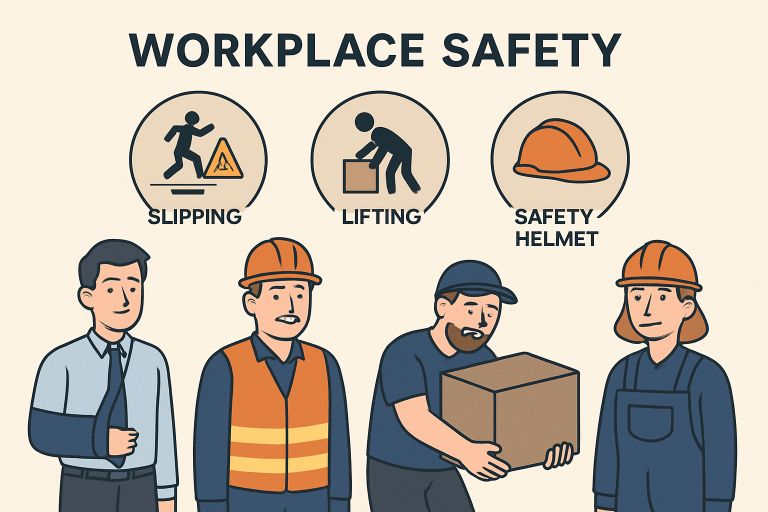
- Common workplace injuries include overexertion, slips and falls, and accidents involving machinery or vehicles.
- Employers and employees should work together to foster safer workplace conditions and respond appropriately to accidents as they occur.
Table of Contents
- Overexertion and Repetitive Strain Injuries
- Slips, Trips, and Falls
- Being Struck by or Against an Object
- Machinery and Equipment Accidents
- Motor Vehicle Accidents
- Falls from Heights
- Burn Injuries
Workplace safety is a critical concern across California, as work environments can present numerous hazards. Whether you work in construction, at a desk, in a warehouse, or in a restaurant, it is vital to know which injuries are most common and when you may be eligible for workers’ compensation. By exploring the top injuries that qualify for workers’ comp, employees and employers alike benefit from increased awareness and prevention efforts. If you ever find yourself navigating a workplace injury claim, resources like hinden.net offer additional guidance on your legal options.
Obtaining fair compensation for workplace injuries not only helps individuals recover from physical setbacks but also supports their families through challenging times. California’s workers’ compensation laws ensure injured employees receive support regardless of who was at fault, provided the injury is work-related. Recognizing the risks in your workplace is the first step in preventing accidents, and knowing your rights ensures you are protected when they occur.
Workers’ compensation is designed to cover a variety of injuries, from minor strains to severe, long-term trauma. Proper claims filing hinges upon thoroughly documenting the incident and any medical treatment received. It is recommended that employees report injuries promptly and seek care from approved healthcare providers.
Employers have a legal duty to keep workplaces safe and to educate their teams on safety protocols and accident reporting. By taking these precautions, employers not only minimize liability but also build a culture of trust and safety with staff. For more on federal safety regulations, visit the Occupational Safety and Health Administration (OSHA).
Overexertion and Repetitive Strain Injuries (RSIs)
Overexertion is one of the top causes of workplace injuries in California, often seen in jobs involving frequent lifting, pushing, or pulling. These activities can strain muscles, tendons, and joints, especially if proper lifting techniques are not used. Repetitive strain injuries (RSIs), such as carpal tunnel syndrome, occur from performing repetitive tasks like typing, assembly line work, or operating cash registers. Industries such as manufacturing, warehousing, and office administration see a higher rate of these injuries, which can lead to chronic pain and reduced mobility if untreated. Data from the California Division of Workers’ Compensation highlights overexertion as a persistent risk in the state’s workforce.
Slips, Trips, and Falls
Slips, trips, and falls can occur in nearly every workplace, from retail stores and restaurants to warehouses and construction sites. Wet floors, uneven surfaces, and obstacles left in walkways are common culprits. These accidents frequently lead to sprained ankles, broken bones, and even traumatic head injuries. Ensuring good housekeeping, prompt spill cleanup, and adequate lighting can significantly reduce these incidents. Employers are required under California law to implement safety measures to mitigate such risks.
Being Struck by or Against an Object
Employees working around moving equipment, heavy inventory, or in construction may be injured by falling tools, swinging loads, or even accidentally bumping into hard surfaces. These accidents can result in serious injuries such as concussions, lacerations, or fractures. Proper storage solutions, clear walkways, and training in safe handling practices help reduce the risk of these accidents. According to the Centers for Disease Control and Prevention (CDC), being struck by objects is a leading cause of workplace injuries, particularly in high-risk occupations.
Machinery and Equipment Accidents
Operating heavy or complex machinery comes with inherent dangers. Accidents in these settings may cause crush injuries, amputations, or deep lacerations if proper procedures are not followed. Regular maintenance, lockout/tagout procedures, and comprehensive training are crucial for reducing machinery-related injuries. Employers should ensure that all guards and safety devices are in place before use and that workers understand emergency shut-off protocols. These measures help prevent severe outcomes from machinery mishaps.
Motor Vehicle Accidents
Jobs that require employees to drive, such as delivery services, sales, or transportation, pose a significant risk of vehicular accidents. Factors like distracted driving, fatigue, and adverse weather conditions can contribute to crashes. Injuries sustained may range from minor cuts and bruises to life-altering trauma such as spinal cord injuries or head injuries. Workers’ compensation typically covers injuries if the accident happens while performing job-related duties. To help limit accidents, employers should encourage defensive driving practices and maintain safe company vehicle fleets.
Falls from Heights
Falls from ladders, scaffolds, rooftops, or elevated platforms are especially serious and frequently result in significant injuries or fatalities. Construction, telecommunications, and building maintenance are industries most affected by these incidents. California’s Occupational Safety and Health standards require employers to provide fall protection systems and train workers to use them correctly. Standard preventive tools include guardrails, harnesses, and adequately maintained ladders.
Burn Injuries
Burns in the workplace can result from contact with hot surfaces, open flames, chemicals, or electrical sources. Restaurant workers, welders, and laboratory technicians are especially at risk, as their jobs often involve exposure to heat, electricity, or hazardous substances. Preventing burns requires strict adherence to safety guidelines, the use of protective equipment such as gloves and goggles, and ensuring that all employees are adequately trained to handle dangerous materials. Quick response to burns, including first aid and prompt medical evaluation, can reduce injury severity and speed recovery.
Conclusion
Recognizing and understanding the most common workplace injuries helps employers and employees work together to prevent accidents and create safer environments. California’s workers’ compensation system provides vital support for injured workers, ensuring they receive the care and financial help they need to recover. By staying informed and proactive, everyone can contribute to a safer, healthier workplace.