How the role of physician assistants is changing, including a wider scope of practice, leadership roles, rebranding, technology and specialization.


 Kara
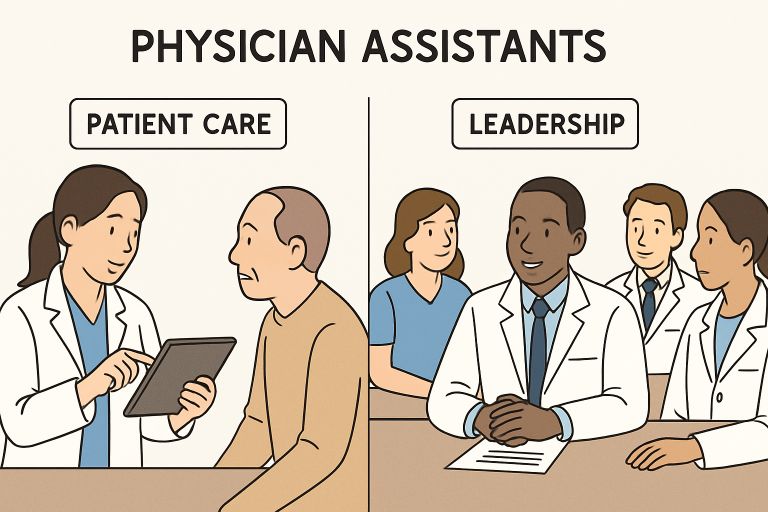
Physician Assistants (PAs) have rapidly become a foundational component of the modern healthcare system, responding to both the changing needs of patients and the evolving dynamics of clinical practices. With a growing demand for accessible, high-quality medical care, PAs are helping close the gap by delivering efficient care, often in locations and specialties where physicians are scarce. As a result, issues such as autonomy, collaboration, and professional identity are being discussed more than ever—topics directly affecting not only how PAs practice, but also how they’re protected through resources like PA malpractice insurance. This expanded role highlights the balance of independence and liability that accompanies a broader scope of practice.
Modern PAs are redefining their contribution to the healthcare landscape, not merely as physician extenders, but as highly educated clinicians who diagnose, treat, manage care, and sometimes lead teams. Legislative advances and societal trends are propelling them toward new responsibilities, setting a precedent for greater professional distinction and accountability. As the healthcare system embraces these changes, it’s crucial to understand how PAs’ day-to-day responsibilities continue to evolve, and the potential this holds for both patient care outcomes and health system efficiency.
The shift from direct supervision to greater independence also highlights the necessity for robust support structures—whether through advanced education, institutional backing, or protection from potential legal challenges. PAs must remain vigilant, both clinically and administratively, to safeguard their careers and assure optimal patient care.
Technology, particularly telemedicine, is enabling PAs to manage chronic conditions and foster ongoing relationships with patients well beyond the walls of traditional clinics. This adaptation to digital healthcare reflects their agility in integrating cutting-edge tools while prioritizing personal connections, quality, and safety. The collaboration between digital progress and clinical skill is central to modern PA practice.
PAs were once restricted in their autonomy, frequently operating under direct physician oversight. However, recent legislative shifts at both the state and federal levels have enabled experienced PAs to work in collaborative or consultative relationships, increasing access to care—especially in historically underserved regions. For example, Arizona’s legislation now allows seasoned PAs to establish independent medical practices in partnership with physicians rather than under their direct supervision. This change helps reduce disparities in rural and underserved communities by expanding the reach of medical professionals.
PAs are moving beyond bedside care, assuming influential leadership roles in hospitals, outpatient networks, and healthcare policy groups. Approximately 94% of healthcare organizations with PAs now offer structured leadership pathways, allowing clinician-leaders to participate in operational, strategic, and clinical decision-making. These opportunities not only raise the profile of the profession but also improve patient outcomes by leveraging a broader range of perspectives and expertise at systemic levels. As healthcare organizations continue to evolve, the contributions of PA leaders are increasingly recognized in shaping protocols, safety standards, and quality initiatives.
The conversation around identity and recognition led to a formal name change: the American Academy of Physician Assistants recently voted to rebrand the position to “Physician Associate officially.” This update provides a more accurate reflection of the collaborative and often autonomous nature of PA work in today’s medical landscape. The move aims to dissolve outdated perceptions of the role being subordinate and to eliminate confusion among patients regarding the scope of PA competence. Rebranding efforts like these are crucial for aligning the expectations of patients, regulatory agencies, and fellow clinicians.
The rapid expansion of telemedicine, accelerated by the COVID-19 pandemic, has pushed PAs into the forefront of digital healthcare. Telehealth not only enhances patient management but also increases the reach of PAs, especially for individuals in remote or under-resourced regions. From monitoring chronic conditions to conducting wellness visits, PAs have demonstrated the capacity to utilize new platforms effectively, integrating evidence-based care with the convenience of virtual consultations. This technological competency is now a core expectation for many advanced practitioners.
An increasing number of PAs are opting for advanced clinical training and specialty certifications in disciplines such as emergency medicine, surgery, cardiology, and neurology. This shift is a direct response to the growing complexity of patients and the increasing need for highly skilled clinicians. Formal residency programs for PAs, once uncommon, are now more widely available, further solidifying their place among specialized healthcare teams. In addition, ongoing education empowers PAs to stay current with emerging medical innovations and best practices, better serving the varied needs of patients while ensuring regulatory compliance and adaptability.
The expanding role of PAs has a profound impact on the accessibility and efficiency of U.S. healthcare delivery. By operating with increased autonomy and assuming functions once performed only by physicians, PAs can help reduce wait times, improve patient throughput, and address workforce shortages. This is particularly beneficial in primary care, urgent care, and specialty care, which are often stretched thin by limited resources and growing demand. Their efforts often yield better patient outcomes, reduced costs, and more timely care for vulnerable populations, making them vital contributors to a shifting healthcare landscape.
Physician Assistants are at the center of a paradigm shift in healthcare, assuming greater responsibility and wider influence while advocating for a more supportive, agile health system. Their increased autonomy, leadership involvement, adoption of innovative technologies, and pursuit of advanced specialization all underscore their critical role in delivering high-quality healthcare. As the profession continues to evolve, recognizing the full scope of PA contributions will be key to addressing future medical challenges and ensuring exceptional care for all patients.