

Table of Contents
- Understanding Insurance Companies’ Motives
- Steps to Take Immediately After an Accident
- Communicating with Insurance Adjusters
- Documenting Your Claim
- Understanding Nevada’s Comparative Negligence Law
- When to Consult a Car Accident Lawyer
- Common Mistakes to Avoid
- Conclusion
Facing the aftermath of a car accident in Las Vegas brings not only physical and emotional challenges but also the complex task of dealing with insurance companies. Most people find themselves navigating confusing policies, persistent adjusters, and high-stakes negotiations—often while recovering from injuries. Knowing how to handle communications, gather evidence, and protect your claim can make a substantial difference in your outcome. For reliable guidance, you may consider experienced legal advice from blakefriedmanlaw.com if you’re unsure how to proceed.
Insurance companies have processes and interests that may not align with your best outcome. Understanding their approach and your rights is crucial. This guide breaks down what you need to know at every step, so you can move forward confidently if you’ve been involved in a car accident in Las Vegas.
Understanding Insurance Companies’ Motives
Insurance companies exist to maximize profits. While they provide financial recovery for accidents, their primary goal is to reduce payouts wherever possible. Adjusters are trained to scrutinize claims, interpret terms strictly, and seek any grounds to lower the settlement or deny compensation entirely. Knowing this prepares you to anticipate their tactics and avoid agreeing to a settlement that fails to cover your actual losses.
It’s not uncommon for insurance representatives to appear helpful at first, yet offer far less than your claim’s value. By understanding the incentives that drive insurance company behavior, you’re better equipped to respond strategically and advocate effectively for yourself.
Steps to Take Immediately After an Accident
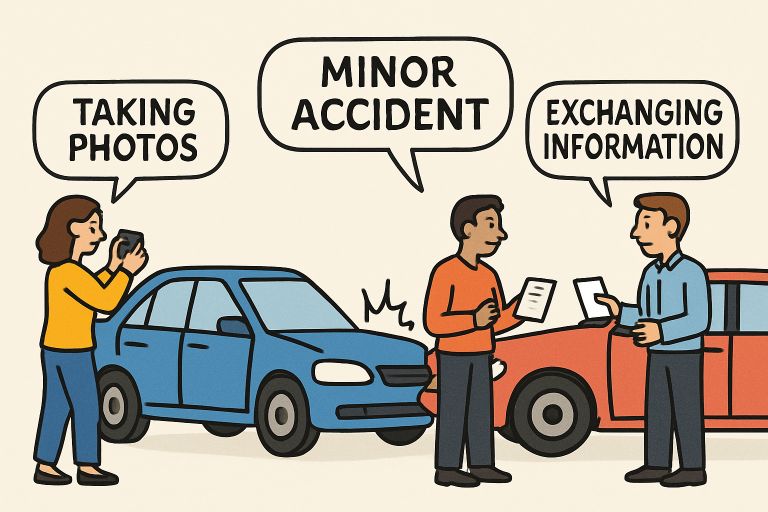
Your actions in the first moments and hours after a collision are critical for your health, safety, and the future strength of your claim. First, always check for injuries and call emergency services for immediate assistance, prioritizing everyone’s well-being above all else. Documenting the accident scene is your next task; photographs of both vehicles, visible injuries, road conditions, and nearby traffic signs will all become valuable evidence.
Exchange insurance and contact details with every party involved, and seek out witnesses to record their statements and obtain their contact information. Every detail you gather at the scene builds the foundation for your insurance claim and legal protection.
Communicating with Insurance Adjusters
When you begin interacting with insurance adjusters, be mindful that your words can directly influence the evaluation of your claim. It’s essential to provide only factual information and refrain from speculation, self-blame, or minimizing your injuries. Anything you say in a recorded statement may later be used to discredit your account or devalue your claim, according to sources such as Nolo.
Before sharing detailed information, especially about the circumstances of the crash or your injuries, consider discussing your case with a car accident lawyer. They can advise you on what details to share, timing of medical updates, and strategies for dealing with aggressive adjusters, ensuring your rights and interests are protected throughout the process.
Documenting Your Claim
Your documentation directly determines the strength of your insurance claim. You will need to meticulously track and keep copies of all medical records, treatment plans, and any out-of-pocket medical costs, such as prescriptions or physical therapy. Retain repair bills, property damage estimates, and receipts for vehicle towing or rental as well.
Additionally, maintain organized records of correspondence with your insurance company and detailed notes concerning lost wages or missed work, as these can be included in your damages. A thorough approach bolsters your negotiating position and ensures you do not overlook significant areas of compensation.
Understanding Nevada’s Comparative Negligence Law
Nevada operates under a modified comparative negligence law. This means liability for a crash is allocated based on percentages, and your compensation is reduced by the degree of fault assigned to you. If, for instance, you’re found to be 20% at fault, your settlement is reduced by that percentage. Should your responsibility reach 50% or more, you will not be eligible to recover any damages.
This law makes it especially important to challenge any assignment of fault that is not backed by evidence, as it has a direct effect on the compensation you may receive.
When to Consult a Car Accident Lawyer
- If your claim is denied or you receive settlement offers that seem unreasonably low.
- When it’s unclear who caused the accident or when liability is being disputed.
- If you sustained serious injuries requiring hospitalization or long-term care.
- Anytime you feel uncertain about your rights under state law or the process involved.
An attorney can negotiate on your behalf and help you understand whether pursuing a lawsuit is in your best interest. Having a skilled advocate can alleviate stress and ensure you don’t miss crucial deadlines or requirements.
Common Mistakes to Avoid
- Never admit fault, either at the scene or in conversations with adjusters.
- Don’t accept the first settlement. Insurance companies often test to see if you’ll agree before fully understanding your case’s value.
- Avoid delaying or skipping medical care; prompt documentation of injuries supports your claim.
- Refrain from discussing any aspect of your crash or claim on social media, as posts can be used to undermine your case.
Sidestepping these common errors preserves your claim’s strength and credibility and helps avoid unnecessary delays or reductions in your potential compensation.
Conclusion
Navigating insurance claims after a car accident in Las Vegas requires careful attention, thorough preparation, and sometimes legal assistance. With a comprehensive understanding of how insurance companies operate, diligent documentation, and insight into state law, you boost your chances of achieving a fair settlement. Seek professional legal guidance when the situation calls for it, and your efforts will be more likely to yield the compensation and closure you deserve.