

Key Takeaways
- Evaluate a property’s structure, layout, and systems before purchase to ensure they are suitable for future renovations.
- Consider local zoning and building codes before planning additions or major updates.
- Factor in energy efficiency, long-term budgets, and current market trends to ensure renovations add real value.
- Work with professionals early to gain insight into feasibility, costs, and maximizing investment.
For many buyers, a house is not simply a place to live but an investment in future comfort and value. When imagining life in a new property, it is wise to factor in not just present-day needs but also potential renovations that can transform a space over time. Savvy homebuyers who think ahead will find it easier to adapt to changing lifestyles, growing families, or emerging trends. Early planning for renovations can prevent headaches and wasted investment later. As you browse the market for your next home, partnering with experienced professionals like the Pawleys Island, SC real estate agents Taylor Keenan Team can offer valuable guidance on homes that are primed for future improvements.
When considering renovations as part of your purchase strategy, you can make wiser choices that keep a property functional and valuable for years to come. The ability to update kitchens, open floor plans, or add energy-efficient features could have a major impact on comfort and eventual resale. With the right preparation, you can turn a good house into a great home that evolves as your needs change over time.
Assessing Structural Integrity and Layout
Before deciding on a home, inspect its structural integrity, as this will play a crucial role in any renovation plans. Key indicators to evaluate include the condition of the foundation, age, and quality of the roof, and the state of major systems such as electrical wiring and plumbing. Homes that already have open floor plans or large, adaptable spaces are typically much easier and more cost-effective to renovate. As The New York Times notes, investing in a thorough home inspection and assessing how easily walls can be moved or removed will save you from costly surprises later.
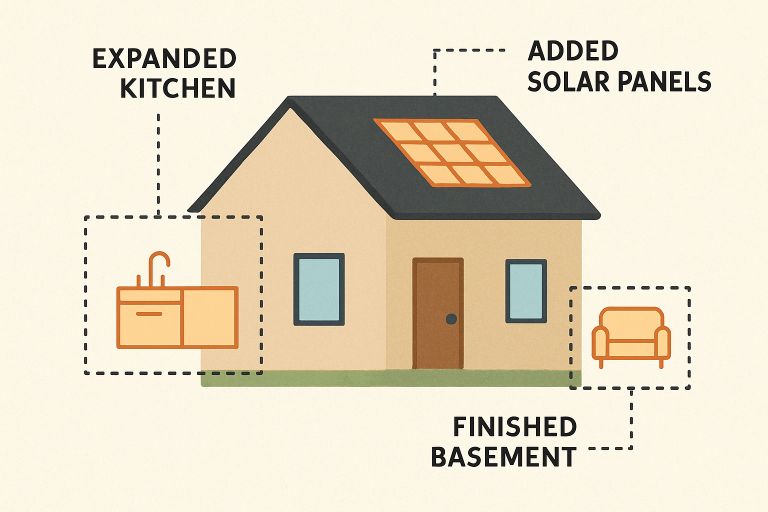
It is also vital to consider how interior walls are arranged, given future updates such as new bedrooms or an expanded kitchen. Features like unused attics, basements, or garages can give you creative renovation options for years to come.
Understanding Zoning Laws and Regulations
Each city or township establishes its own zoning rules and building codes that regulate or permit renovation projects. Zoning laws can affect how much of your lot can be built on and whether additions, such as garages, accessory dwelling units (ADUs), or extra stories, are allowed. These regulations may restrict the height, location, and function of potential expansions, so it is important to speak with local building authorities or a real estate attorney early in your search. If your vision is to create an in-law suite or rental unit, this step is especially vital to avoid roadblocks later.
Evaluating the Potential for Expansion
If you expect to need more living space in the future, evaluate the lot size, as well as the house’s orientation and placement. Larger lots provide more options for building outward, adding outdoor living spaces, or even a pool. At the same time, be aware of local restrictions such as minimum distances (setbacks) from property lines, lot coverage ratios, and environmentally protected zones. Reviewing a detailed property survey and obtaining input from local planning offices can clarify what is possible on your site.
Considering Energy Efficiency Upgrades
Renovations are often the best time to pursue energy efficiency upgrades, which can both lower operating costs and increase property value. As you evaluate homes, consider adding solar panels, upgrading attic and wall insulation, or replacing drafty windows and doors. Homes that are easily adaptable to these upgrades are likely to be more comfortable and less costly to heat and cool in the long run. According to the U.S. Department of Energy, even basic energy retrofits during renovations can yield major utility savings.
Budgeting for Future Renovations
Preparing a financial plan well before you begin major renovations is critical to avoiding project delays or overextending your resources. Start by researching estimated costs for similar projects in your area, factoring in materials, labor, permitting fees, and a reasonable buffer for unexpected expenses. Look into funding options such as home equity loans, lines of credit, or renovation-specific mortgages. Creating a detailed spreadsheet or using a home renovation budgeting tool can help you track and manage these expenses over time.
Prioritizing Renovation Projects
Every renovation plan should start with the essentials. Address any structural problems or outdated electrical and plumbing systems before moving on to aesthetic improvements. Consider the return on investment for each project, prioritizing renovations that add the most value to your home, such as kitchen remodels, bathroom upgrades, or increased living space. Balance these priorities with your personal needs and preferences to create a home that suits your unique lifestyle and goals.
Consulting with Professionals
Engaging architects, contractors, and interior designers at the outset can provide expert insights into which renovations are possible, practical, and cost-effective for your chosen home. Professionals can help you navigate zoning, design the most efficient floor plans, and foresee challenges before construction begins. Seeking quotes and advice early can save both money and stress, ensuring your envisioned upgrades align with the reality of your property.
Staying Informed on Market Trends
Keeping an eye on current home-buying and renovation trends is crucial for maximizing both enjoyment and eventual resale value. According to a Forbes report, features such as open-concept living, home offices, and energy-efficient upgrades attract today’s buyers and boost property prices.
By thoroughly considering your home’s renovation potential before making an offer, you will make a more confident investment in a property that can grow and adapt as your dreams and needs evolve.