

Key Takeaways
- The best Tucson-area neighborhood is the one that supports your budget, daily routine, property needs, and plans.
- Comparing total ownership costs is more useful than comparing asking prices alone.
- Commutes, shade, road access, noise, drainage, and nearby services can feel very different in person than they appear online.
- Older homes, new construction, foothills properties, and planned communities each bring distinct maintenance and lifestyle considerations.
- Floodplain information, insurance, HOA documents, inspections, and utility details deserve attention before an offer is submitted.
Choosing a home in Tucson, Arizona, involves more than falling for a renovated kitchen or a mountain-view patio. The address will shape the drive to work, access to trails and stores, summer utility use, and the amount of upkeep a property may require. Buyers comparing central Tucson, the Catalina Foothills, Oro Valley, Vail, Sahuarita, or east-side communities should begin with the life they want to live, then evaluate which locations make that life practical.
Local guidance can help turn a broad search into a manageable one. Tucson, AZ, real estate agents The Alder Group is a Tucson-based real estate team offering customized representation for buyers and sellers. The Alder Group works with clients evaluating homes in Tucson and surrounding Southern Arizona markets, including Oro Valley, Catalina Foothills, and Vail, making the team a useful example of the local perspective that buyers may seek when comparing neighborhoods, listings, and property types.
Why Neighborhood Choice Matters More Than a Home’s Finish
Paint colors, flooring, and fixtures can be changed. A location cannot. The same budget may produce a smaller home near established restaurants and employment centers, a newer house in a growing community, or a property with more land farther from the city core. Tucson’s geography, surrounding mountain ranges, and mix of incorporated towns and nearby communities create a variety of daily experiences. A broad overview of Tucson’s neighborhoods and surrounding communities can help buyers understand the area before narrowing their search.
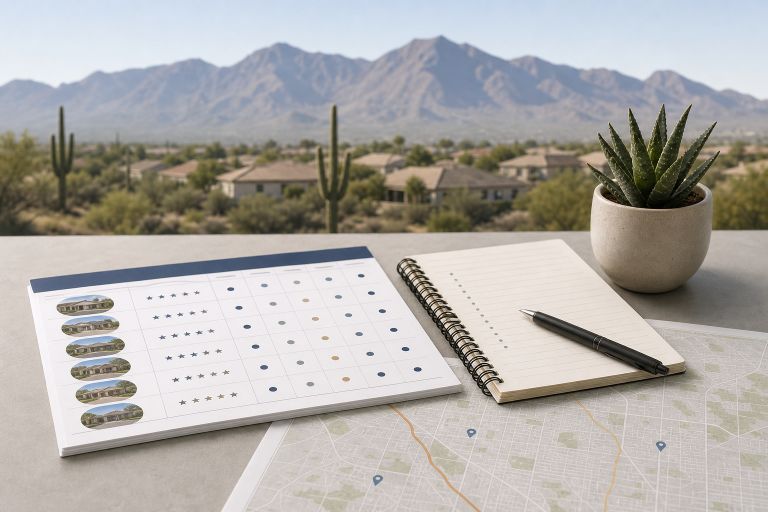
Start With a Personal Neighborhood Scorecard
Create a short scorecard before scheduling tours. This prevents a polished listing from outweighing the factors that matter after closing. Assign each category a priority level, such as essential, preferred, or flexible.
- Maximum purchase price and comfortable monthly payment
- Preferred home type, lot size, garage space, and outdoor area
- Maximum acceptable travel time to work, school, family, or regular appointments
- Access to parks, trails, dining, groceries, health care, and recreation
- Need for a home office, guest room, workshop, pool, or low-maintenance yard
- Interest in an established property, new construction, or a lock-and-leave home
- Comfort level with HOA rules, fees, architectural requirements, and rental restrictions
Compare the Full Cost of Living in Each Area
The listing price is only the starting point. Two similarly priced homes can create very different monthly obligations because of property taxes, insurance, HOA dues, utility demands, commuting costs, and deferred maintenance. Build a separate ownership estimate for every serious contender.
- Estimate principal and interest using the financing terms you expect to use.
- Add property taxes, homeowners’ insurance, and any mortgage insurance.
- Review HOA dues, transfer fees, and the possibility of special assessments.
- Consider cooling costs, water use, landscaping, pool care, and repair reserves.
- Include fuel, vehicle wear, parking, or transit costs associated with the commute.
- Set aside funds for large systems, including roofing, HVAC equipment, irrigation, and appliances.
Use Market Data as Context, Not a Decision Maker
Current market conditions can guide an offer strategy, but citywide numbers do not tell the full story for a specific block, home style, or price range. Ask for recent comparable sales and active listing information that match the property you are considering. Then weigh the data against condition, location, and your own timeline.
- Recent sale prices for comparable homes
- Active competition and pending sales nearby
- Days on market for similar properties
- Price reductions and sale-to-list-price patterns
- Differences between renovated homes and homes needing work
Evaluate the Daily Drive
A neighborhood that seems close on a map can feel very different during weekday traffic, school drop-off, roadwork, or a busy weekend. Test the route from each candidate area at least three times: on a weekday morning, on a weekday evening, and on a weekend. Check travel to work, grocery stores, medical care, Tucson International Airport, favorite recreation areas, and the people you visit often. While driving, note access to major roads, turn lanes, street lighting, public transit, cycling routes, and parking. Also consider whether you are comfortable with the distance during summer heat, monsoon weather, or when a quick errand becomes part of a busy day.
Study Home Types and Lot Conditions
Housing stock affects both lifestyle and maintenance. An older ranch home may offer mature landscaping and established surroundings, while newer construction may offer more contemporary layouts and newer systems. Foothills and desert-edge properties may have terrain, access, vegetation, or view considerations that differ from homes on flatter urban lots.
- Roof age, repair history, and visible condition
- Heating and cooling equipment, windows, insulation, and energy efficiency
- Lot slope, drainage paths, retaining features, and driveway access
- Pool, spa, solar equipment, irrigation systems, and other ongoing maintenance items
- Garage capacity, storage needs, and guest parking
- HOA, historic-district, or deed restrictions that could affect renovations
Check Environmental and Property Risks
Desert living calls for focused due diligence. Ask for seller disclosures, inspection reports, repair invoices, and information about water intrusion, roof work, pest treatment, septic systems, wells, solar agreements, easements, and access roads where applicable. A qualified home inspector can identify concerns that are not obvious during a brief showing. Flood risk should be reviewed at the property level, especially near washes, drainage channels, or low-lying areas. Pima County provides digital flood insurance rate maps for Tucson and nearby jurisdictions that buyers can use in their research. Confirm insurance requirements and coverage options directly with a lender and insurance professional.
Visit Beyond the Listing Appointment
Before making a final decision, use a simple neighborhood field test:
- Park near the home and listen for traffic, aircraft, trains, dogs, and nearby activity.
- Walk surrounding streets in daylight and, if possible, revisit after dark.
- Look for sidewalks, shade, lighting, drainage features, and street-parking conditions.
- Visit a nearby grocery store, coffee shop, park, or trailhead.
- Check cell reception and verify internet-provider options for the address.
- Talk respectfully with neighbors about what they value and what they would change.
A Simple Tucson Neighborhood Comparison Worksheet
For each of your top three or four areas, write a short note under these categories:
- Typical home options: What property type, condition, lot size, and features fit your budget?
- Monthly ownership cost: What are the likely mortgage, tax, insurance, HOA, utility, and maintenance costs?
- Commute and convenience: How does the area perform at the times you will travel most?
- Outdoor access: Are parks, trails, patios, shade, and recreation aligned with your routine?
- Noise and traffic: What did you observe during more than one visit?
- Long-term fit: Would the home still work if your household, work arrangement, or priorities change?
Common Questions Buyers Ask
What Is the Best Tucson Neighborhood for a First-Time Buyer?
There is no single answer. A first-time buyer should focus on total cost, commute needs, property condition, financing readiness, and tolerance for repairs. Carefully comparing a few areas is more helpful than searching for a universally “best” neighborhood.
Should Buyers Choose a Newer Home or an Older Tucson Property?
Newer homes may have newer systems and modern layouts, but they can also come with HOA costs, smaller lots, or nearby construction. Older homes may offer character and mature surroundings, but buyers should inspect major systems closely and budget for maintenance.
When Should Buyers Make an Offer?
Make an offer when a home meets your location needs, budget, condition standards, and long-term plans. A well-researched decision, supported by inspections and document review, is more important than waiting for a perfect property that may not exist.
Conclusion
The right Tucson neighborhood is not the same for every buyer. A location that works perfectly for one household may feel inconvenient for another depending on commute needs, outdoor interests, home maintenance preferences, and long-term plans. A clear scorecard, realistic budget, multiple site visits, careful inspections, and neighborhood-specific research can make the decision more confident and practical. Buyers should look beyond listing photos and consider traffic, nearby services, schools, outdoor access, noise, parking, property condition, and the overall cost of ownership. Visiting a neighborhood at different times of day can also reveal details that may be difficult to notice during a scheduled showing. It is equally important to consider how the area may support changing household needs in the future. When you compare the complete daily experience, not just the home’s appearance or asking price, you are more likely to find a Tucson home that feels comfortable, manageable, and well-suited to your lifestyle long after closing.