New York City is about to stop companies from charging you a different price than your neighbor because of what they know about you. On Thursday, Nov. 12, 2026, the City Council voted 44-5 to pass Introduction 891-A, a ban on “surveillance pricing,” which means using your personal data and an algorithm to decide what you pay for the same product or service. Ordinary sales, coupons, loyalty rewards and discounts for groups like veterans and seniors are still allowed. The rules don’t apply right away, though. The ban takes effect one year after it becomes law, so shoppers shouldn’t expect changes before late 2027.
What Is Surveillance Pricing?
Surveillance pricing (also called personalized or algorithmic pricing) is when a business uses information about you, such as your browsing history, location, device or past purchases, to set a price just for you. Two people can open the same app at the same moment and see different prices for the same item.
The City Council’s announcement defines it as pricing “set completely or in part by algorithm that uses personal data to offer different prices to different customers for the same goods or services.” The Council points to reports it says show the practice is already happening:
- An investigation found a major grocery delivery platform running algorithmic pricing experiments that produced individualized price differences of up to 23%.
- Another found a television’s price at one retailer rose from $499.99 to $599.99 once the shopper pulled into the store’s parking lot.
- A behavioral economist who worked for a ride-share company said the app raised prices when a rider’s phone battery was low.
According to amNewYork, Speaker Julie Menin also described a Council test at a June hearing that ran about 370 price checks with 10 ride-share accounts on three routes. Some accounts kept getting automatic discounts that others didn’t, even when they checked the same route at the same time, and at least one account never got a discount. Grocery delivery is a big part of this debate, so it’s also worth reading what DoorDash buying Instacart means for your grocery orders.
What the NYC Surveillance Pricing Ban Does
The bill was sponsored by Speaker Menin, and Mayor Zohran Mamdani has said he supports it. Based on the Council’s release and reporting from amNewYork, City & State New York and MediaPost, here’s how it works:
- Personalized prices are banned: Businesses can’t use algorithms and personal data to set or adjust individual prices for the same goods or services.
- Personal data is defined broadly: It covers data that “identifies or could reasonably be linked, directly or indirectly, with a specific consumer or device.” That includes the kind of data that powers targeted ads.
- Data sales are covered too: Collecting, selling or sharing personal information to make surveillance pricing possible is also banned.
- You can ask what data was used: Businesses that offer certain allowed personalized discounts must have a way for you to find out what personal data went into your price.
What’s Still Allowed
The final bill is 10 pages long, up from the original two-page draft. It grew after retailers, hotels, tech groups and DoorDash warned at a June 17 hearing that the first version could wipe out loyalty perks and targeted promotions. The bill now allows:
- Regular sales, coupons and promotions offered to everyone
- Loyalty program rewards, including tiered discounts based on what you’ve bought before (subject to disclosure rules)
- “Bona fide” discounts for broadly defined groups, such as veterans or seniors
- Certain promotions on online marketplaces, if disclosure requirements are met
- Some uses of location, such as calculating delivery or trip mileage or responding to local supply and demand
Insurance and credit pricing are exempt because other rules already cover them. “Any suggestion that companies cannot do discounts is simply flatly incorrect,” Menin said, according to City & State. “They can’t mine people’s personal data to charge them a different price for the exact same good.”
When Does It Take Effect?
The ban kicks in one year after it becomes law. Earlier drafts gave businesses 120 days, but the deadline was pushed back to give them more time to comply. The bill still needs the mayor’s signature to become law, and he has already said he supports it. Until it takes effect, nothing changes at checkout.
How Will It Be Enforced?
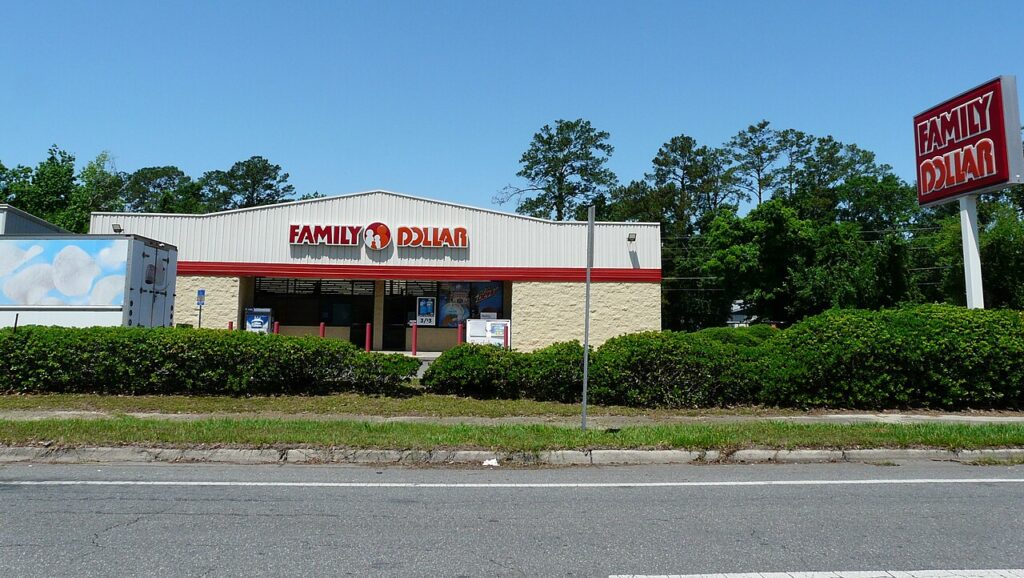
The city’s Department of Consumer and Worker Protection (DCWP) will enforce the law. It can investigate and impose civil penalties of up to $1,000 per violation, and each affected consumer or transaction can count as a separate violation, amNewYork reports. DCWP can also seek restitution for shoppers. Federal regulators are cracking down on checkout pricing as well, as shown by Family Dollar’s $63 million settlement over register overcharges.
Two limits are worth knowing:
- You can’t sue on your own. The bill has no private right of action, even though DCWP Commissioner Sam Levine had asked for one. If you suspect a violation, you would report it to the city rather than take a company to court yourself.
- Small businesses get a warning first. Qualifying smaller businesses get notice of a first violation and 30 days to fix it, including paying back affected customers.
How NYC Compares With Other Surveillance Pricing Laws
City & State reports that New York City will be the fifth U.S. jurisdiction to ban surveillance pricing. Other laws, according to a summary from the law firm Ashurst Perkins Coie:
| Jurisdiction | What it covers | Effective |
|---|
| Maryland | Large grocery stores and delivery services can’t use dynamic pricing or personal data to charge a specific shopper more for food | Oct. 1, 2026 |
| Connecticut | Retail sellers of goods and delivery services | July 1, 2027 |
| New Jersey | Groceries and other listed household goods | Aug. 1, 2027 |
| Seattle | Large grocers and delivery services | Sept. 1, 2027 |
| New York City | Goods and services generally, with exceptions | One year after enactment |
New York State already has a disclosure law that has been in force since Nov. 10, 2025. Businesses that use your personal data to set a price have to say so with the line “THIS PRICE WAS SET BY AN ALGORITHM USING YOUR PERSONAL DATA.” State lawmakers went further in June by passing the One Fair Price Act, which would ban the practice outright statewide, with enforcement by the attorney general. As of this week it hadn’t been signed. The Times Union reports that business groups are lobbying Gov. Kathy Hochul to change it, and she has until the end of the year to act on it.
At the federal level, the FTC took public comments until Sept. 25 on a proposed policy statement about personalized pricing. On Oct. 28 it announced a new market study on whether companies use personal data to set prices, according to Covington’s Global Policy Watch.
What Shoppers Can Do Now
The ban isn’t in effect yet, but you can limit how much personalized pricing affects you, wherever you live:
- Compare prices logged out. Check the same item in a private browser window or on another device before you buy.
- Watch for the disclosure. In New York State, seeing “This price was set by an algorithm using your personal data” means your data was used to set the price.
- Use price trackers and store price matching on big purchases, especially during sales like the Black Friday 2026 events at Walmart, Target, Best Buy and Amazon.
- Read membership terms. Paid programs like TikTok Shop Plus offer coupons and perks, and those count as allowed loyalty discounts under most of these laws.
FAQ
Did NYC ban dynamic pricing like surge pricing?
Not entirely. The ban targets prices based on your personal data. The bill keeps an exception for location-based factors such as trip mileage and local supply and demand.
Will I lose my loyalty rewards or senior discounts?
No. Loyalty rewards, tiered discounts based on past purchases and discounts for broad groups like veterans and seniors are allowed, though some come with disclosure requirements.
Can I sue a company for surveillance pricing in NYC?
Not under this bill. Enforcement belongs to DCWP, which can impose penalties of up to $1,000 per violation and seek restitution.
Does the ban apply outside New York City?
No. It covers businesses selling to people in the five boroughs. A statewide ban, the One Fair Price Act, is waiting for Gov. Hochul to act.
This article explains the bill as reported on Nov. 12–13, 2026, and is not legal advice. We’ll update it when the bill is signed and DCWP issues rules.
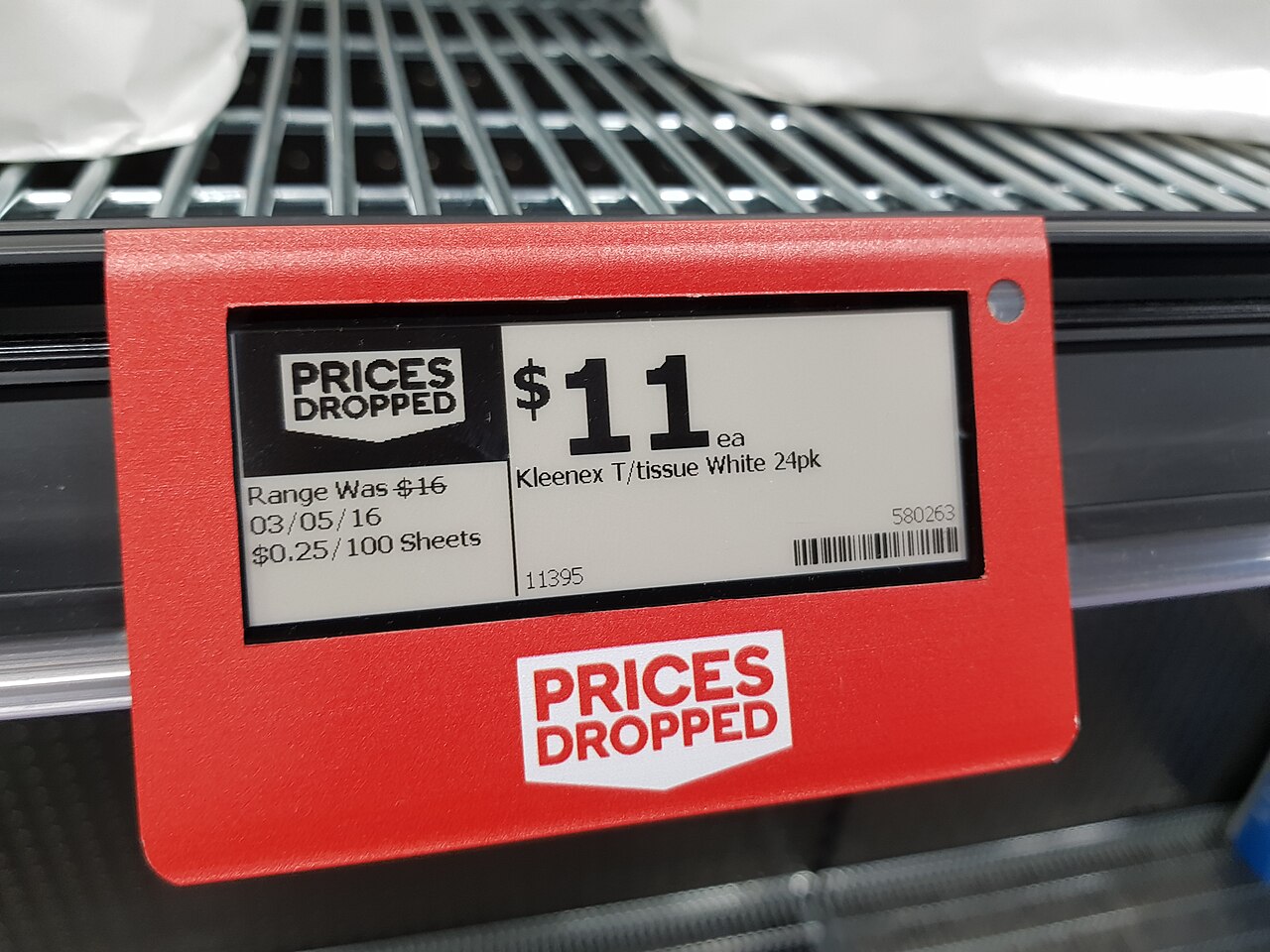
Featured image: E-ink price tag in a supermarket. Photo: Maksym Kozlenko, CC BY-SA 4.0, via Wikimedia Commons.