
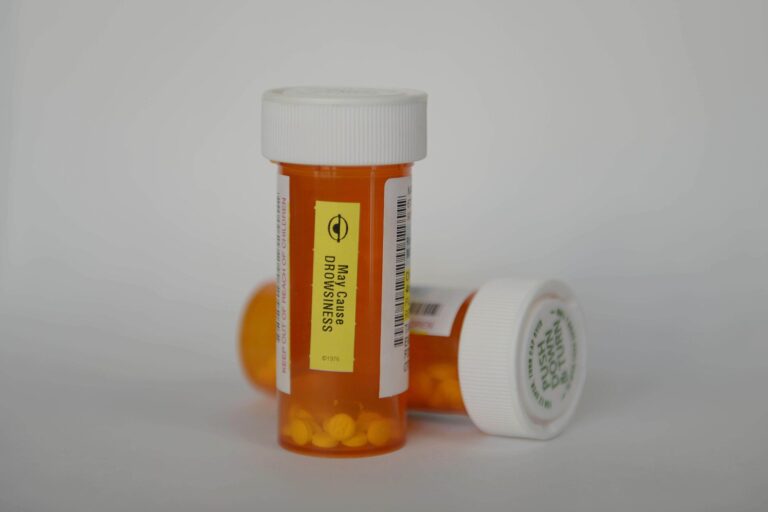
National Prescription Drug Take Back Day is this Saturday, October 24, 2026, from 10 a.m. to 2 p.m. local time. It’s a free way to drop off unused, expired or unneeded prescription medications at one of more than 4,400 collection sites across the U.S. You can find the nearest site by ZIP code on the DEA’s collection site finder. Below is what you can bring, what gets turned away, and how to get rid of old medicine safely if you can’t make it on Saturday.
When and where is Drug Take Back Day 2026?
The Drug Enforcement Administration (DEA) announced on October 7 that it will host its 31st National Prescription Drug Take Back Day on Saturday, October 24, from 10 a.m. to 2 p.m., working with more than 4,300 law enforcement partners, according to the DEA’s press release. The hours are local time, so the window is the same wherever you live.
Collection sites are run with local law enforcement partners, and new ones are added daily in the run-up to the event, so the DEA’s locator says to check back often if you don’t see one near you yet.
How to find a drop-off site near you
- Use the DEA Take Back Day page and search by ZIP code or city and state.
- Visit DEATakeBack.com, which points to the same locator.
- Call the DEA Diversion Control Division call center at 1-800-882-9539 for help with take-back locations.
What you can and can’t bring
The DEA’s list is short and worth checking before you load up a bag.
Accepted
- Tablets, capsules, patches and other forms of prescription medication
- Liquid medications, as long as they’re securely sealed in their original containers
Not accepted
- Syringes and other sharps
- Illicit drugs
For needles and syringes, the FDA’s medicine disposal guidance points to separate sharps disposal programs, so check with your local waste authority or pharmacy instead.
Quick prep checklist
- Go through the medicine cabinet, kitchen drawers, purses, nightstands and travel bags, since the FDA notes that old medicine tends to hide all over the house.
- Keep pills in their original bottles if you can, or pour them into a sealed plastic bag.
- Scratch out or peel off your name and prescription number on labels. The FDA recommends doing this before handing medicine over at any take-back location.
- Leave needles and anything not on the accepted list at home.
Why it’s worth the trip
Most people don’t think of an old bottle of leftover pain pills as a risk, but the government’s own drug education site, Get Smart About Drugs, notes that most people who misuse prescription drugs get them from family, friends and acquaintances. The DEA adds that prescription opioids such as oxycodone, hydrocodone, codeine and morphine are among the most frequently misused prescription pain medications, citing the Substance Abuse and Mental Health Services Administration.
Clearing them out also lowers the chance that a child, a visiting relative or a pet gets into something by accident. Unused medicine can be harmful “if accidentally taken by a child or pet,” as the FDA puts it in its disposal guidance.
The numbers so far
The spring 2026 Take Back Day in April collected 642,410 pounds (321 tons) of medication, according to Get Smart About Drugs, bringing the total collected since fall 2010 to more than 21 million pounds. DEA Administrator Terry Cole said in the October announcement that the program “has helped Americans remove more than twenty million pounds of unneeded medications from their homes.”
Can’t make it Saturday? Other safe options
Take Back Day happens twice a year, but you don’t have to wait for it. The DEA says more than 15,300 pharmacies, hospitals and businesses offer safe medication disposal year-round, and many police departments have permanent drop boxes. The FDA ranks the options in this order.
1. Year-round drop-off kiosks
Many pharmacies have a disposal kiosk near the pharmacy counter that works like a mailbox. CVS says more than 4,000 of its locations have one, and its medication disposal page lists what they take: prescription and over-the-counter medicines, plus liquid bottles under 4 ounces in a resealable bag. CVS kiosks don’t take needles, inhalers, aerosol cans, batteries or illegal drugs. Walgreens has kiosks at select stores, which you can find with the “medication disposal kiosk” filter in its store locator. Kiosks are generally open during regular pharmacy hours. The FDA also suggests searching “medication disposal near me” in Google Maps.
2. Prepaid mail-back envelopes
You fill the envelope, seal it and drop it in any U.S. Postal Service mailbox or post office. Walgreens says it gives these envelopes out free at the pharmacy counter, and other pharmacies sell them or may offer them at no cost, so it’s worth asking.
3. Flush only what’s on the FDA flush list
If no take-back option is available, the FDA says a small group of especially dangerous medicines should be flushed right away rather than left in the house. Its flush list is mostly opioids, including any medicine whose ingredients contain fentanyl, oxycodone, hydrocodone, morphine, methadone, hydromorphone, buprenorphine, oxymorphone, meperidine or tapentadol, along with a few non-opioid products. The FDA is clear on the other side of this too: don’t flush medicine unless it’s on that list.
4. Household trash, done the right way
For everything else, when no take-back option exists, the FDA’s at-home method is:
- Mix the medicine (don’t crush pills) with something unappealing, such as dirt, cat litter or used coffee grounds.
- Put the mixture in a sealed plastic bag.
- Throw the bag in your household trash.
- Scratch out personal information on the empty bottle or packaging before tossing it.
Walgreens also gives out free DisposeRx packets on request, a powder you mix with water in the pill bottle to turn medicine into a gel before throwing it away, and CVS offers them free at stores without a kiosk to people filling an opioid prescription for the first time.
If you got specific disposal instructions with a prescription, follow those first. When in doubt, your pharmacist or the care team you already see can tell you the right way to handle a particular medicine.
Make it part of a fall reset
Take Back Day lands at a natural time to tidy up, right before cold and flu season fills the cabinet again. Pairing it with other small household habits, like the weekly planning in our Sunday meal prep guide or the routines in our piece on everyday cognitive health, makes it easier to keep up twice a year.
Frequently asked questions
What time is Drug Take Back Day on October 24, 2026?
10 a.m. to 2 p.m. local time, at participating sites nationwide.
Does Drug Take Back Day cost anything?
No. Dropping off medication at a collection site is free.
Can I drop off over-the-counter medicine?
The DEA event is focused on prescription medications. Year-round pharmacy kiosks, such as those at CVS, also accept over-the-counter medicine, so a kiosk is a good bet for those.
Can I bring needles or syringes?
No. Take Back Day sites don’t accept syringes or sharps. Use a sharps disposal program instead.
Can I drop off liquid medicine?
Yes, as long as it’s sealed tightly in its original container.
When is the next Take Back Day after this one?
The event runs twice a year, in spring and fall. Watch the DEA’s Take Back Day page for the spring 2027 date, and use a year-round drop-off site in the meantime.
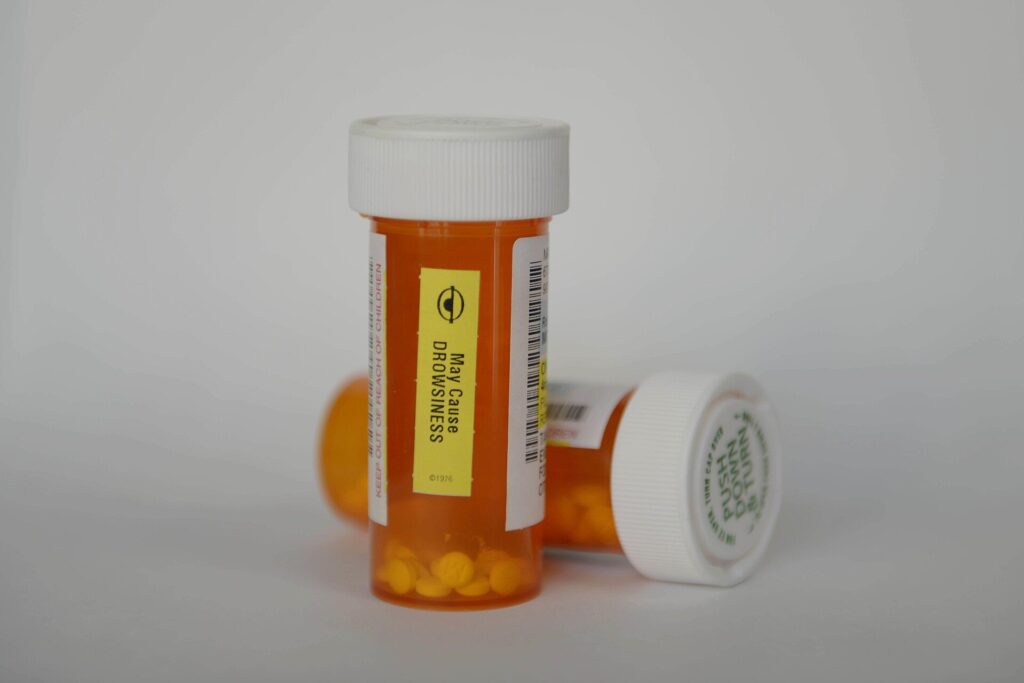
Featured photo: Prescription medication bottles, by Airman Valerie Monroy, U.S. Air Force, via Wikimedia Commons (public domain).