How to evaluate a home in Barrington, Illinois before making an offer, from reviewing the listing critically to checking the exterior and key systems.


 Kara
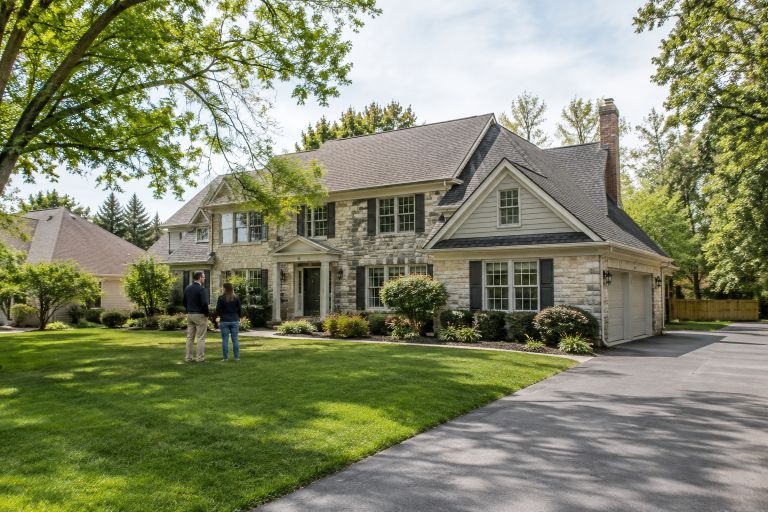
Buying a home in Barrington, Illinois, calls for more than a quick tour and a strong reaction to a renovated kitchen. From established in-town homes to larger properties in Barrington Hills, buyers need to assess condition, ongoing costs, location, and future resale appeal before deciding what to offer.
For a local perspective, the Barrington real estate agents Rob Morrison Team provide home search, buying, selling, and transaction guidance through their Barrington-based real estate website. The Rob Morrison Team works with buyers and sellers in Barrington and surrounding communities, including South Barrington, Barrington Hills, Lake Barrington, Palatine, Arlington Heights, Hoffman Estates, and Lake Zurich, helping clients compare property condition, pricing, and neighborhood fit before moving forward.
It is easy to focus on paint colors, countertops, staging, and room sizes. Those details matter, but they do not explain whether water drains away from the house, whether the HVAC equipment is near the end of its service life, or whether an unfinished basement has a moisture history. A home can appear move-in ready while requiring meaningful work soon after closing.
Approach each property through four lenses: physical condition, monthly ownership cost, neighborhood fit, and offer or resale risk. A home inspection and an appraisal serve different purposes. An inspection examines visible and accessible conditions, while an appraisal helps the lender assess value in relation to the property and comparable sales.
Treat the listing as an introduction, not a complete condition report. Note the stated age of the roof, furnace, air conditioner, water heater, windows, and appliances. Phrases such as “as-is,” “estate sale,” “needs TLC,” or “recently updated” should lead to specific follow-up questions rather than assumptions.
Barrington-area weather gives exterior details real importance. Freeze-thaw cycles, rainfall, snowmelt, mature trees, and leaf-filled gutters can expose weak drainage and maintenance issues. Walk the entire lot if possible, including the side yards and rear of the home.
Also, research the property’s flood context before making a final decision. Buyers can use the official flood map search to review FEMA flood-hazard information for a specific address, then ask their insurer and lender how the location may affect coverage requirements and costs.
During a showing, buyers are not expected to diagnose a house. They can, however, notice warning signs and prepare better questions for an inspector. Focus on age, visible condition, maintenance history, and likely replacement timing.
The purchase price is only one part of affordability. Build an ownership budget that includes principal and interest, property taxes, homeowners’ insurance, association dues where applicable, utilities, routine maintenance, and likely near-term repairs.
For example, a lower-priced home with an aging roof, older heating and cooling equipment, and higher taxes may create a larger monthly and first-year financial burden than a somewhat higher-priced home with well-documented maintenance. Keep a separate reserve for repairs so routine ownership expenses do not become an emergency.
One daytime visit rarely captures the full experience of a neighborhood. Return at different times, including a weekday rush hour, an evening, and a weekend. Test the commute, observe parking and traffic flow, and listen for trains, road noise, aircraft, commercial activity, or other recurring sounds.
Consider how the address supports your routine. Review access to parks, shopping, medical care, recreation, sidewalks, street lighting, and services that matter to your household. For homes near creeks, low areas, or drainage channels, combine what you see on site with flood-map research and insurance questions.
A standard home inspection is valuable, but it does not cover every possible risk. Depending on the age, location, and features of the property, buyers may also consider radon testing, a sewer scope, chimney evaluation, wood-destroying insect inspection, well or septic testing, environmental testing, or separate pool and detached-structure inspections.
Radon deserves particular attention in Illinois real estate transactions. The state’s radon real estate guidance explains buyer disclosures and testing information, including the role of licensed radon professionals. Ask the inspector what is excluded from the standard inspection so additional services can be arranged within the contingency period.
An inspection report is not a pass-or-fail scorecard. Sort the findings into practical categories:
Inspection results can support a repair request, a closing credit, a price adjustment, acceptance of manageable issues, or use of an inspection contingency when risks are too substantial. Focus on documented conditions with meaningful cost, safety, or function implications. A concise request built around major findings is generally clearer than a long list of cosmetic preferences.
Evaluating a Barrington-area home in 2026 means looking beyond finishes and first impressions. A careful review of condition, ownership costs, location, inspection needs, and resale considerations can reveal a strong opportunity, a useful negotiating point, or a reason to continue the search.