
Table of Contents
- Introduction
- Factors Contributing to Increased Accidents
- Steps to Take After an Accident
- Conclusion
Introduction
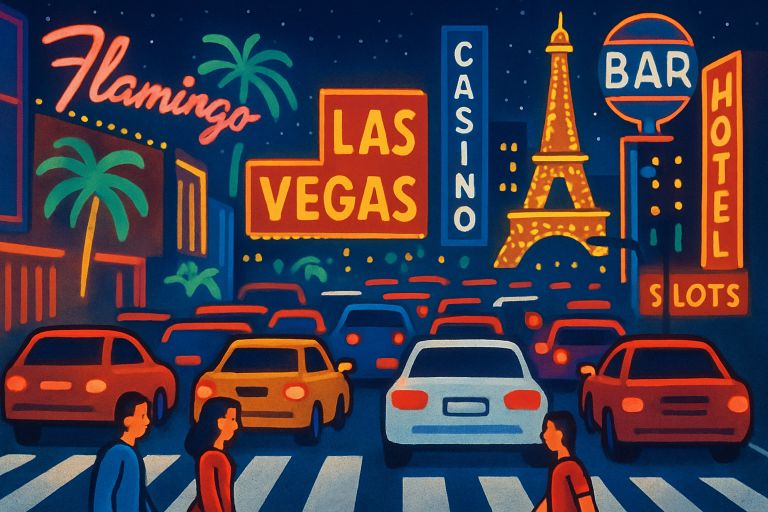
The Las Vegas Strip dazzles millions of visitors each year with its vibrant nightlife, famous casinos, and electric atmosphere. Alongside the excitement and spectacle, this bustling stretch of roadway also faces a dramatic rise in car accidents, often leaving victims unsure of where to turn for help. Understanding the risks and knowing where to find reliable support, such as injuryfirm.vegas, is essential for anyone traveling or commuting through this well-known destination.
Both tourists and residents face unique hazards along Las Vegas Boulevard, from traffic congestion to unpredictable pedestrian movement. By learning more about why accidents increase in this area and what practical steps to take if involved in a collision, individuals can safeguard themselves and navigate the aftermath with greater confidence.
Factors Contributing to Increased Accidents
High Tourist Volume
With more than 42 million visitors annually, Las Vegas constantly attracts drivers unfamiliar with local roads and traffic norms. Many of these newcomers attempt last-minute turns or abrupt lane changes, which often result in fender benders or even more serious collisions. Visitors are also more likely to drive rental vehicles that they are less comfortable operating, further increasing the risk of mistakes on the road. According to the Las Vegas Convention and Visitors Authority, tourism-driven congestion remains one of the primary causes behind accident spikes in the area.
Distracted Driving
The Strip’s brilliant neon signs, massive digital billboards, and non-stop street activity serve as constant distractions for motorists. This sensory overload makes it harder to maintain focus, increasing the likelihood of accidents. Even experienced local drivers can become momentarily distracted, particularly during busy weekends or significant events. Reports from the USA Today emphasize that distracted driving is consistently among the top reasons for traffic incidents nationwide and is acutely problematic in entertainment hubs like Las Vegas.
Impaired Driving
The city’s round-the-clock availability of alcohol and nightlife inevitably leads to more incidents involving impaired drivers. Whether from alcohol, drugs, or prescription medication, impaired judgment and delayed reaction times markedly increase the risks of severe accidents. Law enforcement agencies often set up sobriety checkpoints in high-traffic areas, but accidents related to intoxication remain a persistent issue. According to the National Highway Traffic Safety Administration (NHTSA), in 2023, 12,429 people died in alcohol-impaired driving traffic deaths in the United States.
Heavy Pedestrian Traffic
Pedestrian activity is constant on the Strip, especially near crosswalks and hotel entrances. While many tourists are attentive, some may cross streets impulsively or outside of designated areas, increasing the risk of vehicle-pedestrian collisions. Drivers must remain particularly vigilant as pedestrians can appear unexpectedly, especially late at night or after significant events. The high number of pedestrian-related incidents has prompted local authorities to enhance crosswalk visibility and add more traffic controls. Yet, challenges remain as both foot and vehicle traffic fluctuate throughout the year.
Frequent Road Construction
The ongoing development and improvements along Las Vegas Boulevard often result in complicated traffic detours, unexpected lane closures, and altered signage. For those unfamiliar with local construction zones, navigating these changes can be confusing and occasionally dangerous. Unexpected stops and route changes can lead to rear-end collisions and other preventable accidents, particularly during peak hours. Local government agencies provide regular updates, but visitors are often caught unawares by shifting road conditions.
Steps to Take After an Accident
Ensure Safety
If you are involved in a crash, your immediate priority should be to check for injuries and move to a safe location away from traffic if possible. Turn on your hazard lights to make your vehicle visible to others and reduce the risk of secondary accidents.
Contact Authorities
Always call 911 to report the accident, regardless of its severity. A police report is invaluable, as it provides an objective record of events that is important for both insurance claims and any potential legal proceedings. Law enforcement can also assist in managing the scene and helping injured parties get medical attention.
Document the Scene
Gathering thorough documentation at the scene will protect your interests. Take clear photographs of all vehicles involved, the road and traffic signs, skid marks, and any visible injuries. If there are witnesses, politely ask for their contact information and statements regarding what happened.
Seek Medical Attention
Seek prompt medical evaluation, even if you believe your injuries are not severe. Some conditions, such as whiplash or internal injuries, may only become apparent hours or days after the incident. Timely medical care also helps establish a record of your injuries directly linked to the accident.
Consult a Legal Professional
Especially if there is property damage, significant injuries, or uncertainty about fault, it is wise to consult a personal injury attorney. A legal professional can help clarify your rights and guide you through the steps necessary to pursue fair compensation or defend yourself if claims are made against you.
Conclusion
While the Las Vegas Strip offers world-renowned entertainment, it also poses unique traffic hazards that often catch unsuspecting motorists off guard. Staying alert to contributing factors such as distracted and impaired driving, heavy pedestrian traffic, and recurring construction is essential for avoiding accidents. Should a collision occur, following the proper steps and seeking prompt legal and medical help can make a significant difference in ensuring your safety and protecting your rights. By understanding these risks and knowing where to turn for support, both visitors and locals can navigate the Strip with greater confidence and security.