
Bose has bought Skullcandy, the Park City, Utah, headphone brand best known for loud colors, skull logos and big bass. The deal was announced on October 21, 2026, and the price wasn’t disclosed. Skullcandy will keep its name and its Utah headquarters and will run as a separate brand inside Bose’s premium consumer audio business. If you own Skullcandy earbuds or headphones, nothing changes today. The bigger question is what happens to prices and features over the next year or two, and that’s what this guide covers.
What Bose announced
In its official announcement, Bose said it acquired Skullcandy from a fund managed by Mill Road Capital Management, a Connecticut-based private investment firm. Bose said “financial and other terms of the transaction” will remain confidential, so there is no public purchase price.
The key points from the announcement:
- Skullcandy stays a separate brand within Bose’s Premium Consumer Audio business.
- Skullcandy will continue to be based in Park City, Utah, where it was founded in 2003.
- Bose plans to invest in Skullcandy’s growth by giving it more access to Bose technology, resources, global distribution and commercial relationships.
- The deal follows a multi-year partnership that already put “Sound by Bose” technology inside Skullcandy earbuds and headphones.
Bose CEO Lila Snyder said the company is expanding how it reaches listeners “not only through Bose products, but through technology partnerships and a growing portfolio of brands.” Skullcandy CEO Brian Garofalow called the deal “a win for Skullcandy and our fans.”
Why would Bose buy Skullcandy?
The short answer is audience. Bose’s own release points to Skullcandy’s roots in boardsports and its connections with music, gaming and fitness communities as “new ways for Bose to meaningfully connect with consumers where it has less presence today.”
Reviewers see it the same way. The Verge noted that Bose products are a staple for people who fly and travel for work, while Skullcandy appeals to buyers who don’t necessarily rank noise canceling at the top of their list. SoundGuys put it more bluntly, arguing that Bose already owns the business-traveler crowd and, through its 2024 McIntosh Group deal, the luxury hi-fi crowd, but not the student or snowboarder who wants big bass and a bright color for under $100.
Bose is becoming a multi-brand company
Skullcandy isn’t Bose’s first purchase. According to The Verge, Bose acquired high-end audio brand McIntosh and its subsidiary Sonus faber in 2024, and this year it bought StreamUnlimited Engineering and Firelight Technologies, the maker of the FMOD audio software. Bose’s own description now lists Bose, McIntosh, Sonus faber and Skullcandy as its family of brands. Bose also points out that it’s privately held, which Snyder said gives it “the freedom to make bold, long-term investments.”
The partnership that came first: Sound by Bose
This deal didn’t come out of nowhere. Skullcandy has been selling products with Bose technology inside for more than a year.
Method 360 ANC earbuds
The Method 360 ANC earbuds launched in April 2025 with Bose-tuned drivers and noise canceling. In its review, SoundGuys said they look almost identical to Bose’s QuietComfort Ultra Earbuds and called them a strong value, though it flagged heavy bass and a quirky clip-on case. Skullcandy’s site currently lists them at $99.99, down from a regular price of $129.99.
Crusher 1080 ANC headphones
The Crusher 1080 ANC, released in July 2026, goes further. Skullcandy’s product page lists Bose QuietControl noise canceling, Bose TrueSpatial head-tracked spatial audio and the Bose WaveForm audio engine, alongside Skullcandy’s adjustable Crusher bass that you can physically feel. It’s rated for up to 50 hours of battery with noise canceling on and 60 hours with it off, and it sells for $279.99.
SoundGuys measured its noise canceling within a few points of Bose’s own QuietComfort Headphones (2nd Gen), at $80 less. Engadget’s review said its noise canceling still isn’t quite at the level of Bose’s own headphones, but that the gap is much smaller than expected.
What the deal means if you own or want Skullcandy gear
Your current earbuds and headphones keep working
Nothing about the announcement affects products you already own. Bose didn’t announce any changes to the Skullcandy app, product support or warranties, and Skullcandy is staying a separate brand. Keep using the Skullcandy app for updates and settings, and contact Skullcandy support the same way you would have last week.
Expect more Bose tech further down the lineup
The clearest signal in the announcement is “greater access to technology.” Given that the Method 360 ANC and Crusher 1080 ANC already use Bose noise canceling and tuning, it’s reasonable to expect more of that in future Skullcandy models. Neither company has announced specific new products yet, so treat anything you read about upcoming models as speculation until it’s official.
Watch for price creep
The main worry from reviewers is cost. SoundGuys pointed out that Sound by Bose has already pushed Skullcandy’s flagship headphones close to $300, a big jump for a brand that used to be an impulse buy. If Bose technology spreads across the lineup, some models could get more expensive. The best outcome for shoppers would be Bose-grade noise canceling trickling down into Skullcandy’s cheaper models while those prices stay low. Whether that happens is up to Bose, and it hasn’t said.
Should you buy now or wait?
If you need earbuds or headphones now, the current Sound by Bose models are already on sale and well reviewed, and there’s no sign they’re going away. With holiday sales coming up, prices on models like the Method 360 ANC have already been discounted, so it can pay to compare a few retailers before you buy. Big shopping events are also a good time to check what your store memberships include; we broke down the Walmart+ and Sam’s Club Plus bundle if you shop there often. If you’re more of an Apple household, it may be worth waiting to see what Apple shows at its October 28 event before buying any new gear.
Sports fans who want good sound for game nights can pair a new set with our guide to how to watch the 2026-27 NBA season.
FAQ
Did Bose buy Skullcandy?
Yes. Bose announced on October 21, 2026, that it had acquired Skullcandy from a fund managed by Mill Road Capital Management.
How much did Bose pay for Skullcandy?
The price wasn’t disclosed. Bose said the financial terms will remain confidential.
Will Skullcandy products be rebranded as Bose?
No. Bose said Skullcandy will remain a separate brand within its Premium Consumer Audio business and stay based in Park City, Utah.
Do Skullcandy headphones already use Bose technology?
Some do. The Method 360 ANC earbuds and Crusher 1080 ANC headphones carry “Sound by Bose” technology, including Bose noise canceling. The Crusher 1080 ANC also has Bose TrueSpatial spatial audio.
Will Skullcandy prices go up?
Bose hasn’t said anything about pricing. Reviewers have raised the possibility that more Bose tech could push some models higher, but current prices haven’t changed because of the deal.
What other brands does Bose own?
Besides Bose and now Skullcandy, the company owns McIntosh and Sonus faber.
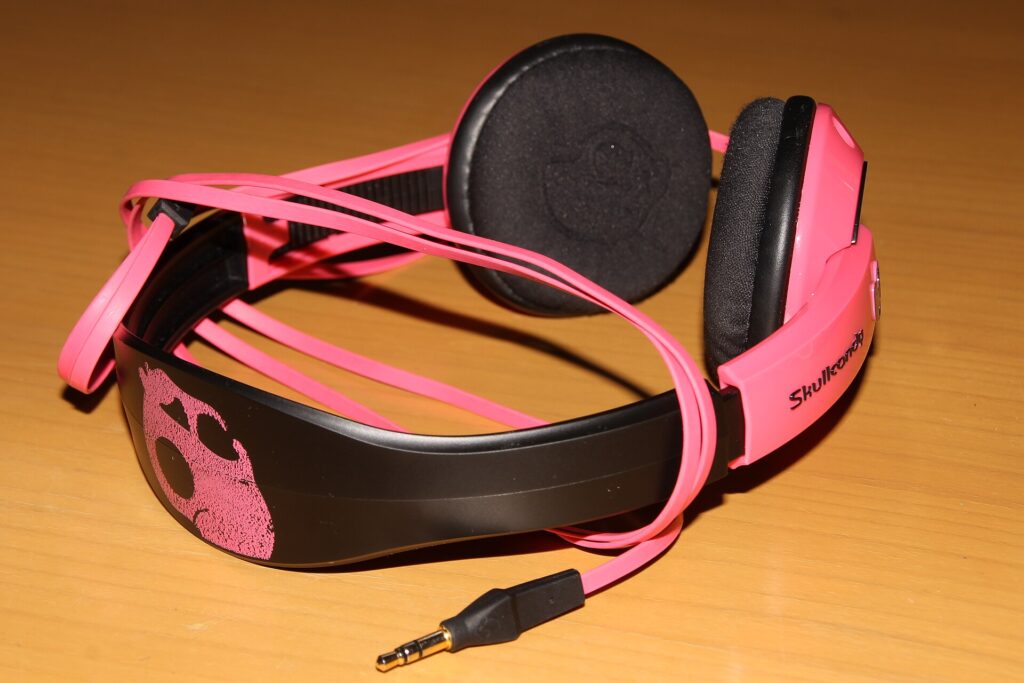
Featured photo: “Skullcandy Uprock” by Oxiq, via Wikimedia Commons, released into the public domain under CC0.