Anthropic launched Claude Personal Finance on Nov. 5, 2026. U.S. Pro, Max and Ultra users can link banks through Plaid for read-only spending answers. Here is what Claude sees, who gets it, and the privacy limits.

 Kara
Anthropic started rolling out Personal Finance in Claude on November 5, 2026. U.S. subscribers on Pro, Max and Ultra can connect bank and card accounts through Plaid, then ask Claude plain-language questions about balances, spending and upcoming bills. Access is read-only: Claude cannot move, manage or invest your money. Here is what the beta actually does, who can use it, what data it sees, and how it compares with ChatGPT’s similar feature.
According to Anthropic’s announcement, Personal Finance lets you link the accounts you choose and ask questions in everyday language. Examples Anthropic highlights include “Where did my money go this month?”, “Is that more than usual?”, “What’s left before payday?”, and whether anything looks off across connected accounts.
Claude can:
TechCrunch and The Verge report the same core pitch: Claude as a spending companion that works from your real transactions, not generic advice. Anthropic also stresses that Personal Finance has no ads or sponsored product recommendations, and that Claude does not sell its own credit cards, loans or savings accounts.
That framing matters for readers who already follow Anthropic’s business story. For context on the company’s broader path to public markets, see our earlier guide to the Anthropic IPO timeline and how regular investors might get access.
The beta is limited to:
Anthropic says it is rolling the feature out gradually, so some eligible subscribers may not see it yet. The company’s Help Center walks through setup:
You can link up to 16 banks. When you hit the limit, you must unlink one before adding another. You can unlink an account anytime; Claude then loses access to that account’s data.
Anthropic and Plaid both describe the connection as read-only. Claude does not ask for or see your bank password; you authenticate at your bank through Plaid. For the accounts you approve, Claude can read:
Help Center notes that Claude reads balances and credit limits for investments, loans and cards — not full holdings, trades, rates or loan terms. Plaid may still show consent screens for those data types, but Claude’s Personal Finance view today sticks to the list above. Account numbers are truncated; Claude usually gets only the last few digits, though a full number could appear if your bank embeds it in an account name or transaction description.
Privacy details Anthropic calls out:
Anthropic is explicit: Personal Finance helps you understand your money and “isn’t designed to give investment advice.” Claude can make mistakes, so Anthropic tells users to ask which transactions sit behind a number and to check important figures with their bank. The tool also cannot transfer money, change account settings or invest on your behalf.
That caution is useful when people ask broader money questions — for example how a rate decision might affect card interest. For a recent policy backdrop on borrowing costs, see our recap of the October 28, 2026 Fed rate decision and what it means for credit cards and mortgages. An AI summary of your statements is not a substitute for a licensed advisor when you are making large decisions.
If your goal is simply clearer habits around spending and saving, our evergreen note on building financial confidence pairs well with any budgeting tool — including Claude’s new hub.
OpenAI launched a similar ChatGPT personal-finance experience in May 2026, also using Plaid to connect U.S. bank accounts for Pro users. Anthropic is therefore catching up on account linking rather than inventing the category. Differences that matter for shoppers right now:
Neither product can wire money for you. Both still require you to trust an AI company with transaction history. If that tradeoff feels wrong, you can skip linking and keep using Claude without Personal Finance — or unlink later.
No. It is a beta for paid Claude Pro, Max and Ultra plans in the United States. Free, Team and Enterprise plans are not included.
No. Anthropic, TechCrunch, The Verge and Plaid all state that access is read-only. Claude cannot transfer, manage or invest your money.
Anthropic says conversations inside the Personal Finance hub are not used to train its models. Chats outside the hub follow your normal privacy settings.
Up to 16. You authenticate each one yourself through Plaid and can unlink anytime.
No. Anthropic says the feature is not designed for investment advice and that Claude can err. Use it to organize and explain your own numbers, then verify anything important with your bank or a licensed professional.
Claude Personal Finance is a clear, consumer-facing bet: let people ask natural-language money questions against real Plaid-linked transactions, with read-only access and no Claude-branded credit products. The beta opened November 5, 2026 for U.S. Pro, Max and Ultra users. If the sidebar option has appeared for you, start with one low-stakes question — such as a monthly spending breakdown — and double-check the underlying transactions before you act on any number.
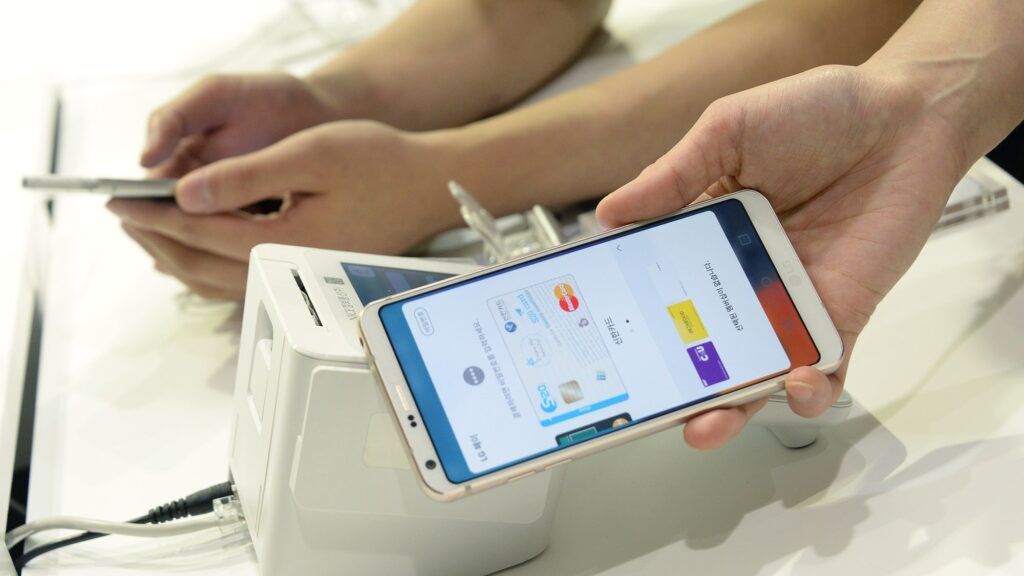
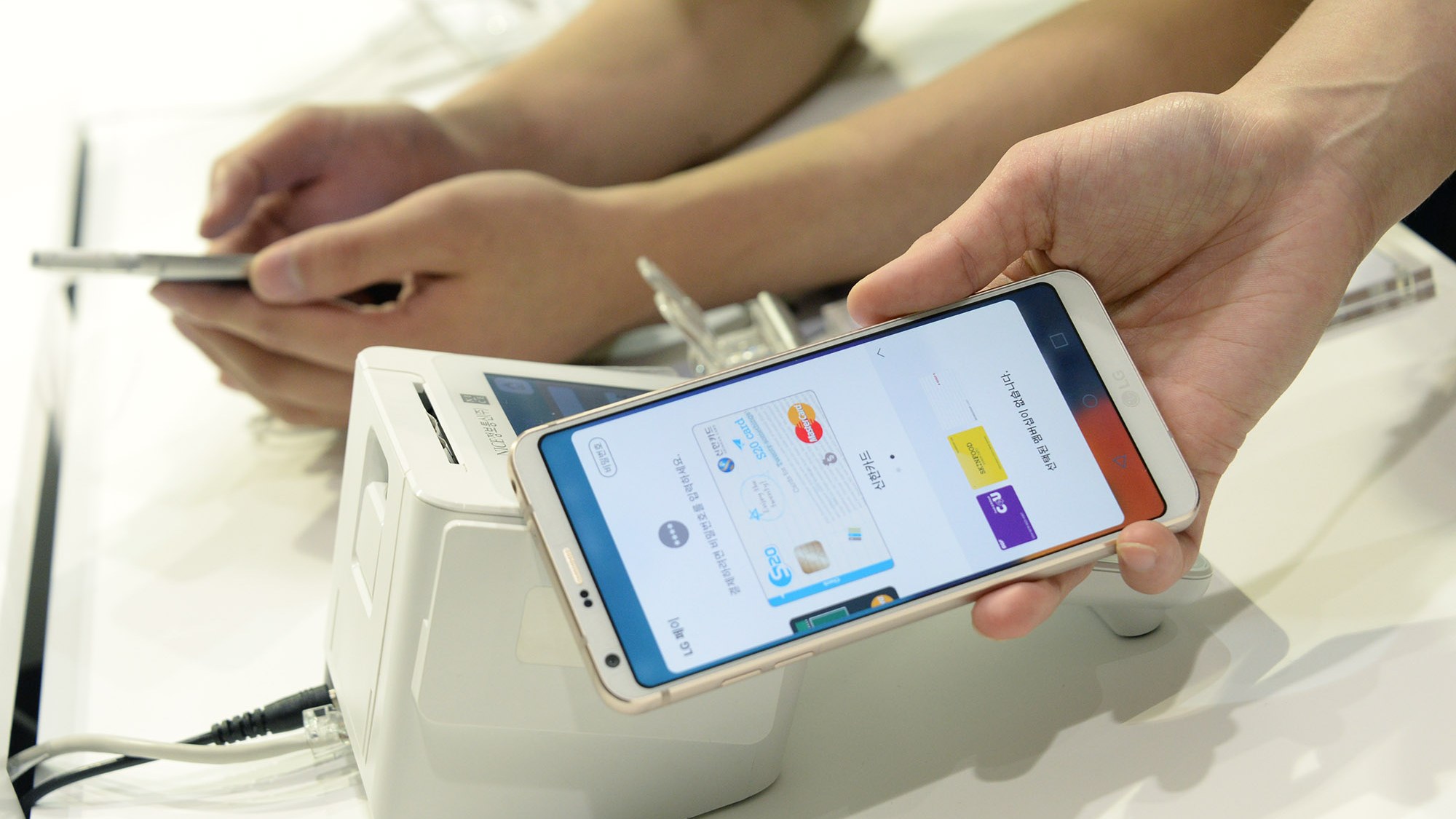
Featured image: Mobile payment screen with a Mastercard on an LG G6. Photo: LG Electronics, CC BY 2.0, via Wikimedia Commons (cropped).