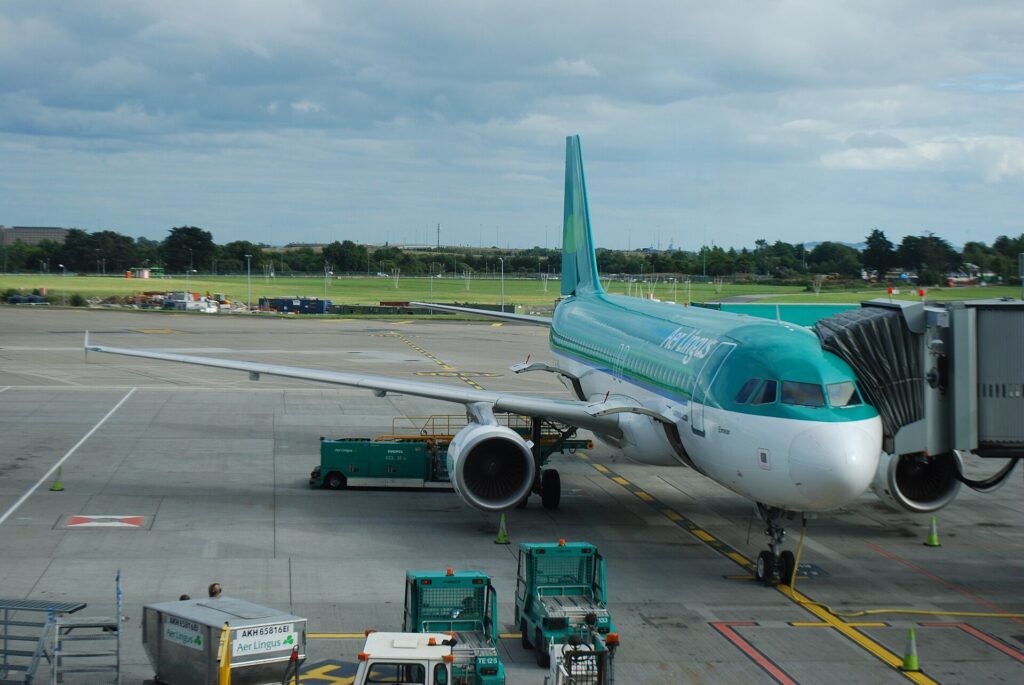
Bomb threats diverted flights across Europe on Nov. 5, 2026, including Aer Lingus, Ryanair, LOT, Wizz Air and Finnair. Here are the flights affected, what officials say, and what you can claim from your airline.


 Kara
At least a dozen passenger flights across Europe were hit by bomb threats on Thursday, November 5, 2026, the second wave in three days. An Aer Lingus flight from Dublin to Rome was diverted to a French military air base, three Ryanair jets were handled at Bulgarian airports, and Czech police said four Prague-bound planes were targeted. So far, every plane has landed safely, and no explosives were found on any of the planes searched after Tuesday’s wave. UK officials called those earlier threats “malicious hoaxes.” Below is what happened, which flights were affected, and what you can claim from your airline if your trip was disrupted.
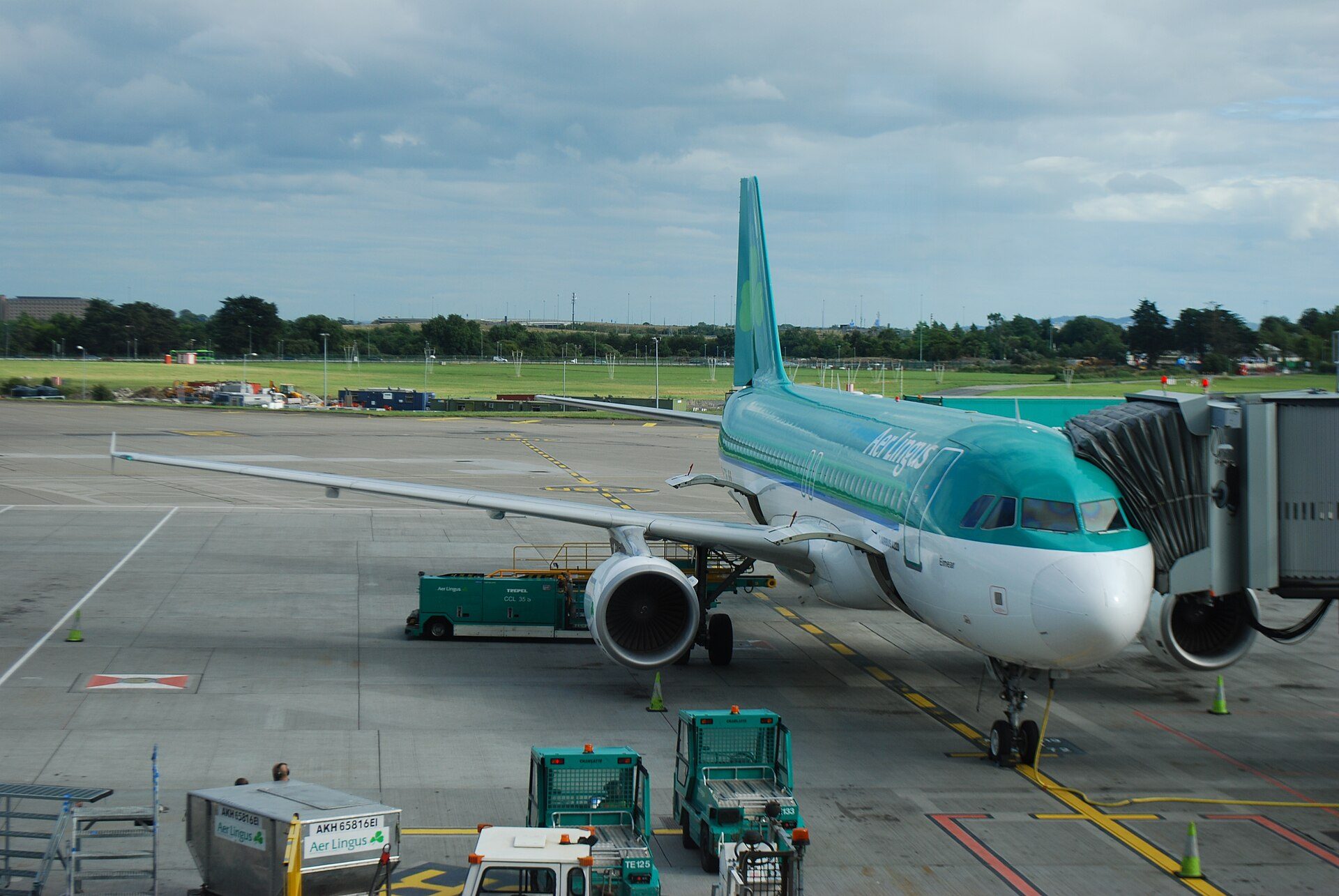
The day started with Aer Lingus flight EI402 from Dublin to Rome. It diverted to the air base at Évreux in Normandy, and the French prime minister’s office said a bomb squad was in place to inspect the plane when it landed. All 151 passengers and six crew were moved to a safe place, the Guardian reported. Aer Lingus told the BBC the flight “diverted to Normandy this morning as a security precaution” and that it would “work to re-accommodate customers to their final destination as soon as possible.”
Threats against other flights followed within about an hour. Here are the flights named in reports from the Guardian, BBC and Italy’s ANSA news agency:
Later in the morning, Czech police said they had received reports of “an improvised explosive device” aboard four planes heading to Prague. Police said they rated the threats’ credibility as low but would run pyrotechnic inspections on all four aircraft after landing.
On Tuesday, November 3, seven planes were searched or diverted after a similar run of threats, the Guardian reported. A Ryanair flight from Manchester landed in Murcia, Spain, under an emergency protocol. A LOT flight from London Heathrow was diverted from Warsaw Chopin to Warsaw Modlin, which closed briefly. Two Ryanair flights from Dublin and Lisbon were searched after landing in Rome. All of the planes landed safely, and no explosives were found on any of them.
No one had claimed responsibility for Tuesday’s threats, and officials hadn’t blamed anyone, Al Jazeera reported. The UK government called them “malicious hoax threats.” The Guardian noted that four of the eight incidents earlier in the week involved flights to or from Italy, which has also seen false bomb alarms at about 280 schools. Whether the waves are coordinated is still an open question.
Authorities are treating every threat seriously, which is why planes are being diverted, escorted and searched. But so far, every search has come up empty. A UK Department for Transport source told the Guardian that Tuesday’s threats were “not credible” and that passengers should not be concerned, and Czech police rated Thursday’s Prague threats as low credibility. The biggest risk to most travelers right now is a delay or a diversion, not danger on board. If you travel with friends or family, it helps to agree on a backup plan before you go. Our tips on keeping group travel running smoothly cover the basics.
EU Regulation 261/2004 normally pays €250 to €600 when a flight is cancelled or arrives three or more hours late. But the airline doesn’t owe that payment when the disruption was caused by “extraordinary circumstances,” and the EU’s Your Europe passenger rights guide lists security risks as one example. A bomb threat against your plane is very likely to fall into that category, so don’t count on a cash payout. The UK kept its own near-identical version of these rules after Brexit.
Extraordinary circumstances don’t cancel the airline’s other duties. According to the EU guide:
If you take a refund and book your own onward travel or a hotel, comparison sites can help. Here’s our look at how Booking.com works for booking holiday stays.
Send your claim to the airline that operated the flight first, using its complaint form, and attach your receipts. If you don’t get a reply within two months, or you aren’t happy with the answer, you can complain to the national enforcement authority in the country where the incident happened. Your local European Consumer Centre can also give free advice. If you have travel insurance, check whether your policy covers extra costs from delays or missed connections.
Reported flights included Aer Lingus EI402 (Dublin to Rome), Ryanair FR6410, FR3606 and FR1730 to Sofia, LOT LO235 (Warsaw to Brussels), Wizz Air W4 6387 (Milan to Warsaw), Finnair AY1761 (Helsinki to Rome) and AY1471 (Helsinki to Vienna), plus four flights heading to Prague.
No. No explosives were found on any of the planes searched after Tuesday’s threats, and LOT said no suspicious items were found on its Brussels flight on Thursday. The UK government called the earlier threats malicious hoaxes.
That hasn’t been established. No one claimed responsibility for Tuesday’s threats, and authorities hadn’t attributed blame as of Thursday.
Usually not. Security risks count as extraordinary circumstances. But the airline still has to provide meals, a hotel if needed, and a refund or rerouting.
Officials have called the threats not credible or low credibility, and every affected plane has landed safely. The main thing to plan for is possible delays, so leave buffer time for tight connections.
Featured image: Aer Lingus Airbus A320 at Dublin Airport by Jean Housen, CC BY-SA 3.0, via Wikimedia Commons. This story is developing, and we’ll update it as authorities share more.