
Key Takeaways
- Harlem’s housing market exhibits varied trends across its neighborhoods.
- Median sale prices have experienced both increases and decreases, depending on the area.
- Rental prices are on the rise, indicating strong demand.
- Understanding these trends is crucial for both buyers and sellers.
Harlem, a vibrant neighborhood in Manhattan, continues to be a focal point for real estate activity. As we progress through 2026, it’s essential to examine the current market trends to make informed decisions, whether you’re looking to buy, sell, or rent in this historic area. For personalized guidance, consider consulting Harlem NY real estate experts The Boland Team. Led by Julia Boland, this team offers deep market knowledge and professional customer service, specializing in neighborhoods like Harlem, East Harlem, and Hamilton Heights.
Current Housing Market Trends
Recent data reveal a mixed landscape in Harlem’s housing market. According to Redfin, the median sale price in Harlem was $755,000 in March 2026, marking a 5.5% decrease from the previous year. Conversely, Central Harlem experienced a 9.8% increase, with median prices reaching $950,000. These fluctuations highlight the importance of neighborhood-specific research when considering real estate investments.
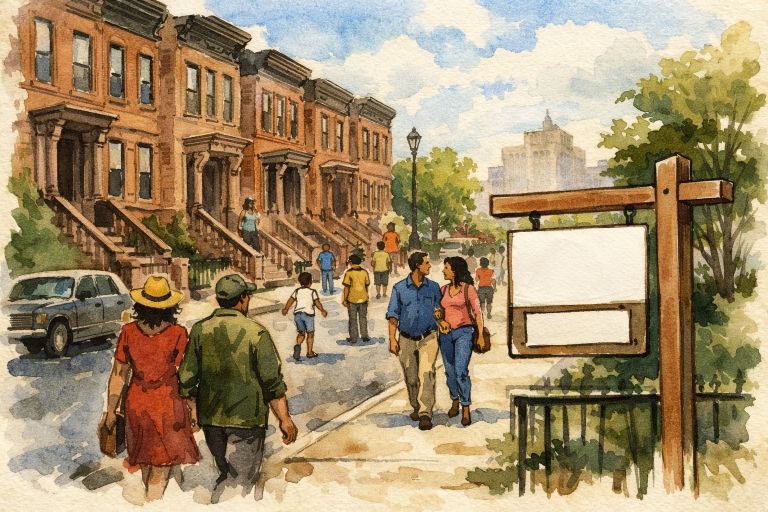
It is crucial to recognize that Harlem encompasses a variety of micro-markets within its distinctive borders. The eastern and western sections, for example, can experience different rates of appreciation or depreciation due to factors like proximity to developing educational complexes or new transportation hubs. Various streetscapes in Harlem, from brownstone-lined avenues to new condominium developments, create unique pockets of demand and pricing.
In addition to median numbers, many real estate professionals are monitoring sales velocity, or the average number of days a property stays on the market. Properties in prime locations, particularly those close to parks, major subway lines, and retail corridors, often sell much faster than their counterparts in quieter or less developed areas. This trend indicates continuing interest in Harlem from a diverse mix of buyers, from first-time homeowners to established investors.
Rental Market Dynamics
The rental market in Harlem is showing robust growth. Reports indicate that average one-bedroom rents have climbed to $3,000, reflecting an 8.2% year-over-year increase. This surge underscores the neighborhood’s appeal and the strong demand for rental properties.
Several contributing factors include the growing appeal of Harlem’s nightlife and cultural institutions. The reopening and continued success of music venues, theaters, and restaurants have made Harlem a destination not just for long-term residents but also for newcomers attracted by its dynamic lifestyle. Renters often cite walkability, access to parks like Morningside or Marcus Garvey, and the community’s vibrant arts scene as top priorities.
Harlem is also attracting more professionals and students, largely due to the proximity of major educational institutions like Columbia University and the City College of New York. This demographic trend puts additional upward pressure on rental rates, especially for well-appointed apartments with modern conveniences and amenities such as in-unit laundry, updated kitchens, and pet-friendly policies.
Factors Influencing Market Changes
Several elements contribute to these market shifts. The expansion of Columbia University’s Manhattanville campus has significantly impacted the western parts of Harlem, attracting more residents and boosting property values. Additionally, the neighborhood’s rich cultural heritage and architectural charm continue to draw interest from diverse demographics.
New retail developments and enhancements to public infrastructure, including recent improvements to subway stations, have also played a notable role. Improved public amenities, safer, cleaner streets, and increased green space have elevated the overall appeal for families and young professionals alike. Further, as remote and hybrid work models continue, Harlem’s generous layouts and larger apartments compared to lower Manhattan attract those who require home office space.
Urban renewal initiatives supported by both public and private partnerships have made a positive impact, helping to restore historic buildings while simultaneously encouraging new residential and commercial construction. These combined dynamics help sustain Harlem’s position as a destination for both preserving history and living in a modern, connected urban environment.
Opportunities for Buyers
For prospective buyers, Harlem offers a range of options. The recent dip in median sale prices in certain areas presents opportunities to invest in properties that may appreciate as the neighborhood continues to develop. Engaging with knowledgeable local experts can provide valuable insights into the best investment opportunities.
Buyers will find a mixture of inventory, from classic prewar co-ops and brownstones rich with history, to newer luxury condos that offer more modern amenities and security features. Distinctive buildings and streetscapes provide buyers with the chance to find a property that matches both their lifestyle and financial objectives. With current interest rates fluctuating, there may be room to negotiate favorable purchase terms, especially on properties that have lingered on the market for longer periods.
For those considering multi-family properties, Harlem continues to represent a wise long-term investment. Given the ongoing upward trajectory of rental rates, owning a multi-unit building can provide both current income and future appreciation. Consider neighborhoods with proximity to public parks or transportation for the widest range of tenant interests.
Considerations for Sellers
Sellers should be aware of the varying trends across Harlem’s sub-neighborhoods. While some areas have seen price increases, others have experienced declines. Setting a competitive price and highlighting unique property features can enhance appeal in a competitive market.
Marketing strategies may need to vary by submarket. For instance, brownstone owners can benefit from professional staging and high-quality photography to showcase original details such as fireplaces, crown moldings, or restored hardwood floors. Condos and newer buildings often require a focus on modern amenities. Sellers should respond to buyers’ increasing interest in energy efficiency and smart home features by spotlighting recent upgrades or improvements in this area where relevant.
As pricing strategies become more data-driven, working with skilled local agents who understand subtle trends, such as seasonal fluctuations or the effect of nearby developments, can result in faster and more profitable closings. Open houses and virtual tours remain effective in presenting properties to a wide audience, especially for international buyers or those relocating from other parts of the city.
Rental Market Insights
Landlords can capitalize on the rising rental prices by ensuring their properties meet the expectations of potential tenants. Offering modern amenities and maintaining properties well can justify higher rents and attract long-term tenants.
Routine upgrades such as installing smart thermostats, renovating kitchens or bathrooms, and providing in-unit laundry are seen as key differentiators by many tenants. Additionally, clear and responsive communication with tenants helps build a positive reputation, ensuring word-of-mouth referrals and higher occupancy rates.
Landlords who consider flexible leasing options, such as offering furnished units or shorter-term leases to accommodate students or professionals, may attract a broader swath of renters. As Harlem continues to evolve and attract new demographics, landlords who proactively address market shifts will see the most success in both demand and tenant satisfaction.
Conclusion
Harlem’s real estate market in 2026 presents a dynamic environment with opportunities and challenges. Staying informed about neighborhood-specific trends and seeking guidance from experienced professionals can lead to successful real estate endeavors in this iconic New York City neighborhood.
Ultimately, Harlem’s future looks bright, as ongoing investment and community engagement work together to preserve its celebrated history and cultivate new growth. Whether you plan to buy, sell, or rent, keeping a close watch on local trends and working with knowledgeable experts will remain essential to navigating this multifaceted market.