Honda is recalling 810,592 vehicles in the U.S. because certain Takata front air bag inflators could rupture in a crash and throw metal fragments into the cabin. The recall covers certain 2012–2013 Honda Civic and CR-V, 2013 Honda Accord, and 2013 Acura ILX and RDX models, but only cars originally sold in, or ever registered in, 14 hot and humid states and territories. The repair is free, owner letters are due to be mailed around Dec. 18, 2026, and you can check your car now by entering your VIN at NHTSA.gov/recalls, recalls.honda.com or recalls.acura.com.
This one is different from the Takata recalls most drivers have heard about. Here’s what’s covered, why it’s happening now, and what to do if your car is on the list.
Which Honda and Acura models are in the recall?
The National Highway Traffic Safety Administration lists this as recall 26V765. Honda’s own campaign codes are BQK, MQJ, KQI and QQH, which may appear on dealer paperwork. According to Honda’s Part 573 safety recall report filed with NHTSA, the recall breaks down like this:
- 2012–2013 Honda Civic: 413,125 vehicles
- 2012–2013 Honda CR-V: 197,045 vehicles
- 2013 Honda Accord: 165,225 vehicles
- 2013 Acura RDX: 20,554 vehicles
- 2013 Acura ILX: 14,643 vehicles
Note the years. The 2012 Accord, 2012 ILX and 2012 RDX are not part of this filing. And not every Civic, CR-V or Accord from those years is included. Only certain vehicles with specific desiccated Takata inflators are in the recall.
Where your car was sold or registered matters
This is not a nationwide recall. Honda’s Nov. 20 statement says it covers vehicles originally sold in, or ever registered in, places “known for high temperature, high humidity and large temperature fluctuations.” Those are:
- Alabama, California, Florida, Georgia, Hawaii, Louisiana, Mississippi, South Carolina and Texas
- Puerto Rico, the U.S. Virgin Islands, the Northern Mariana Islands (Saipan), Guam and American Samoa
The words “ever registered” are important. A 2012 Civic that lives in Ohio today could still be included if it spent a few years registered in Florida or Texas. The reverse is also true: a car with a matching model year that has never been sold or registered in one of these places isn’t covered by this filing. That’s why the VIN check is the only reliable answer.
Why is Honda recalling these air bags now?
Most earlier Takata recalls involved inflators with no drying agent. The inflators in this recall contain a desiccant, a moisture-absorbing material that was meant to keep the propellant stable. Honda says these inflator types were “not subject to earlier recalls.”
The problem is the same basic chemistry, just slower. In its filing, Honda explains that the inflators use a phase-stabilized ammonium nitrate (PSAN) propellant. Over many years of high humidity and repeated temperature swings, that propellant can become more porous and brittle. If the air bag then deploys, the degraded propellant can burn too fast and build up more pressure than the inflator can handle. NHTSA’s acknowledgement letter warns that “an inflator rupture may result in sharp metal fragments striking the driver or other occupants resulting in serious injury or death.”
Have there been any ruptures?
Not from these inflators, according to Honda. Its recall report says that as of Nov. 19, 2026, it “has not received any warranty claims, nor reports of injury or death related to this issue.” Honda’s public statement calls the recall a “preventative action.”
The filing also lays out a long paper trail. Honda sent NHTSA an analysis of these desiccated inflators in June 2020, which predicted degradation would not reach a rupture risk before 2027 at the earliest. Honda, NHTSA and the engineering firm Exponent agreed on continued monitoring in December 2021. In May 2025, simulation testing under severe conditions showed signs of propellant degradation, though the inflators still worked within normal parameters. Honda made its recall decision on Nov. 19, 2026.
How to check your VIN and get the free repair
- Find your VIN. The 17-character vehicle identification number is on the lower driver’s side corner of the windshield, on the sticker in the driver’s door jamb, and on your registration and insurance card.
- Run it through a lookup. Use NHTSA’s recall tool or Honda’s and Acura’s own sites. NHTSA says VINs for this recall became searchable starting Nov. 22, 2026. If nothing shows up yet, check again in a few days and watch your mail.
- Wait for, or call about, your letter. NHTSA says interim letters explaining the safety risk should go out around Dec. 18, 2026, and more letters will follow “once the final remedy is available.” Honda describes the recall as phased, so not every owner may be able to book a repair right away.
- Get the free fix. A Honda or Acura dealer will replace the affected driver or front passenger inflator at no charge. Honda’s report says the new inflators come from a different supplier and use a propellant with a different chemical makeup that doesn’t break down over time in heat and humidity.
- Questions? Call Honda customer service at 1-888-234-2138, or NHTSA’s Vehicle Safety Hotline at 1-888-327-4236.
Honda says it wants owners to take their vehicle to an authorized dealer “as soon as they receive notification.” In its general Takata recall guidance, NHTSA also warns owners never to have an air bag disabled while waiting for a repair, since a disabled air bag offers no protection in a crash.
Is this connected to the Toyota Takata recall?
Only in the sense that both involve old Takata parts. Days earlier, Toyota filed its own recall for 314,029 Toyota and Lexus vehicles with Takata front passenger inflators. That is a separate campaign with its own model list, letter dates and phone number, and the totals shouldn’t be added together. If you also have a Corolla, Tundra, Sequoia, 4Runner or older Lexus in the family, see our breakdown of the Toyota and Lexus Takata air bag recall.
Buying a used 2012 or 2013 Honda? Check first
Civics, CR-Vs and Accords from these years are some of the most common used cars on the market, and many are now on their third or fourth owner. Recall letters go to the registered owner, so a car that has changed hands a few times may never get the notice. Before you buy, run the VIN through NHTSA and ask the seller to get any open recall repaired first. It costs them nothing. Our guide on how to protect yourself from defective vehicle purchases covers the other checks worth doing.
Also keep in mind that a safety recall isn’t the same as a lemon-law claim. Honda is doing this repair for free on every involved vehicle, no matter how old it is. Lemon laws usually cover newer cars with repeated defects. Our explainer on the essentials of lemon laws explains how those protections work.
FAQ
How many vehicles are in the Honda Takata recall?
Honda’s filing with NHTSA lists 810,592 vehicles in the U.S.
Is my 2013 Honda Accord included?
It might be. Certain 2013 Accords are included if they were originally sold in, or ever registered in, one of the 14 listed states and territories. The 2012 Accord isn’t part of this recall. Check your VIN to be sure.
Does the repair cost anything?
No. Dealers will replace the affected front driver or passenger air bag inflator for free.
When will I get a letter?
NHTSA says interim owner letters should be mailed around Dec. 18, 2026, with more letters once the final remedy is available. You can check your VIN before then.
Have these air bags hurt anyone?
Honda says no ruptures, injuries or deaths have been reported involving the inflators in this recall.
This article will be updated if Honda or NHTSA changes the model list or announces when repair parts are available for all owners.
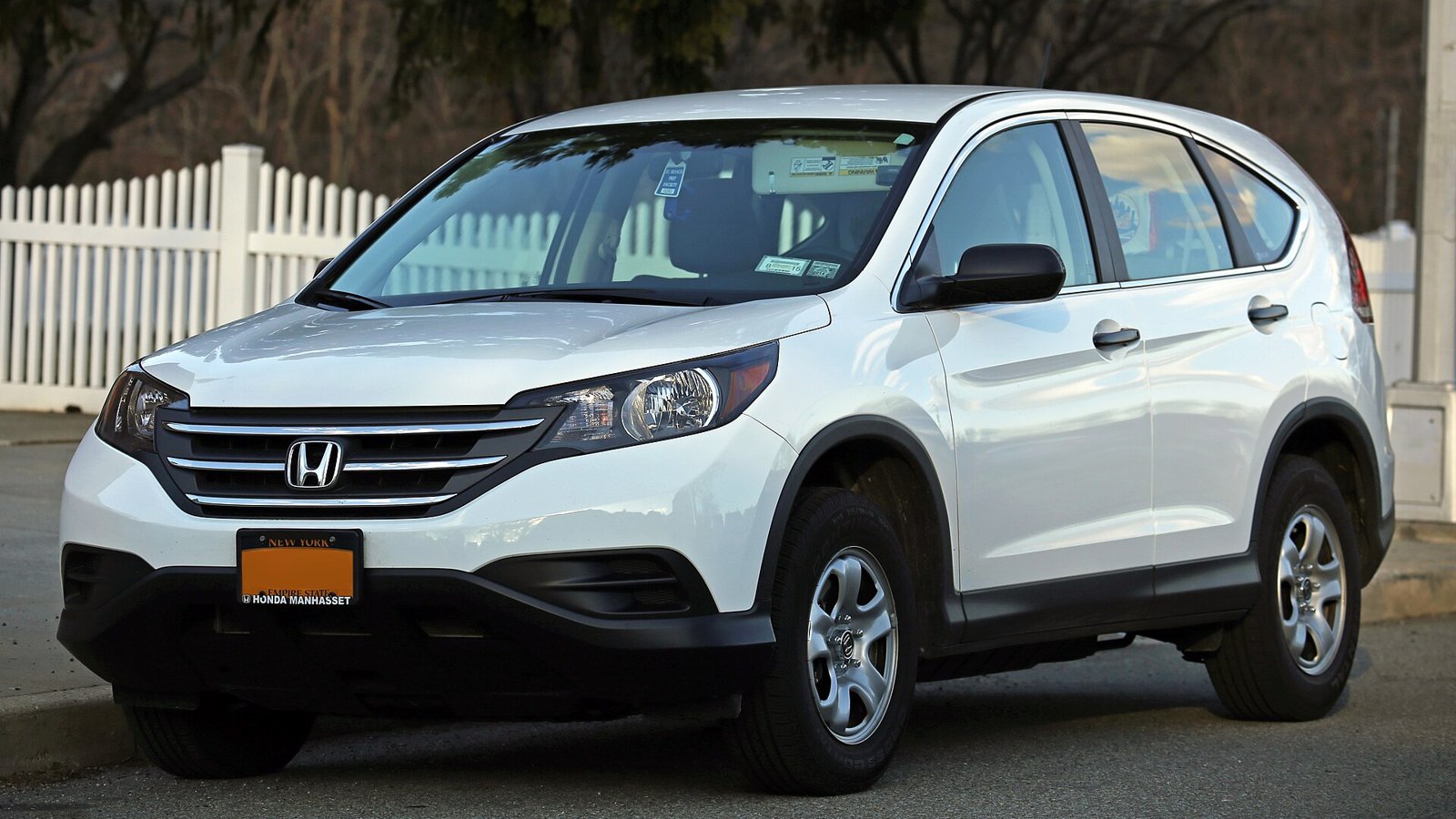
Featured image: 2012 Honda CR-V, shown for illustration only. Photo by Mr.choppers, CC BY-SA 3.0, via Wikimedia Commons (cropped).