Democrats are projected to win the House and Senate. Here’s what that means for your taxes, tariffs and prices, health insurance, mortgage rates and savings, plus the ballot measures that could hit your budget sooner.


 Kara
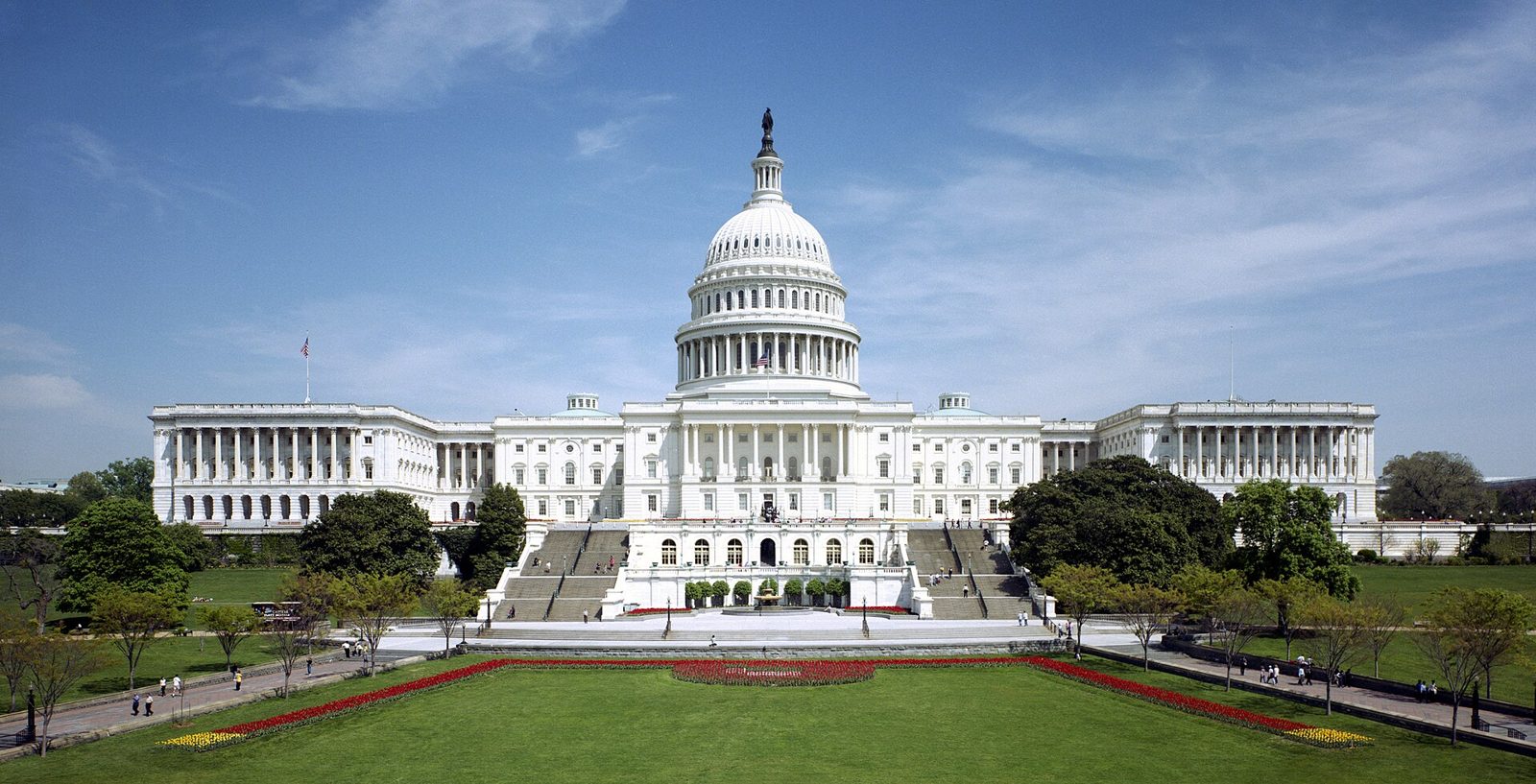
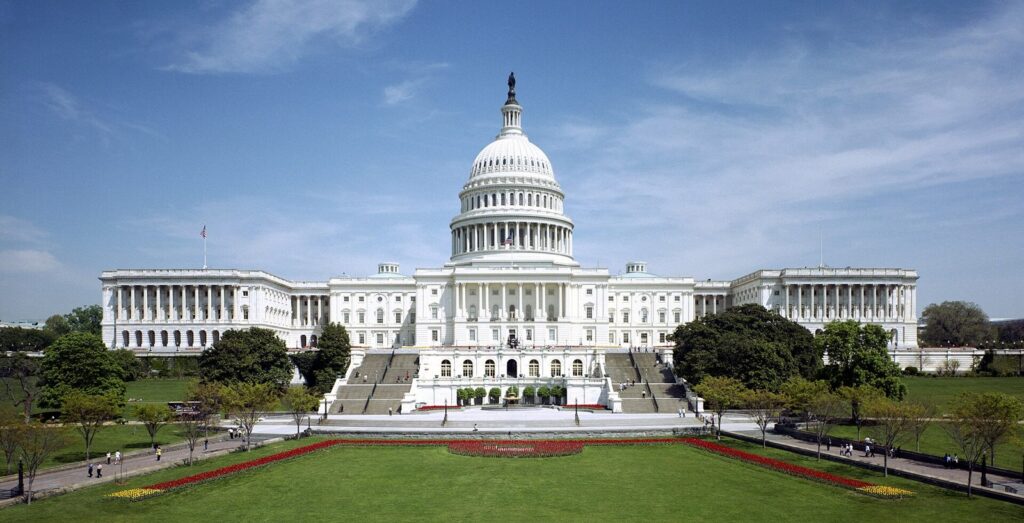
Democrats are projected to win control of both the House and the Senate after the November 3, 2026 midterm elections, according to ABC News projections and other major networks. For your wallet, the short answer is that very little changes right away. The new Congress doesn’t take office until January, President Trump still has his veto, and the biggest money issues, like tariffs and the 2025 tax law, are hard for Congress to undo on its own. What does change is which bills get votes, which deadlines turn into fights, and what gets investigated. Here’s what that means for taxes, prices, health insurance and your savings.
As of Wednesday morning, Democrats had won 228 House seats, ten more than the 218 needed for a majority, against 139 for Republicans, with dozens of races still uncalled, Euronews reported. In the Senate, Democrats flipped seats in states including Texas, Ohio, Kansas and Maine, where Troy Jackson unseated Sen. Susan Collins. Yahoo Finance also lists South Carolina among the red-state Senate wins. Some races, including Alaska’s Senate contest, could take weeks to count. If you’re still waiting on a race near you, our guide to when 2026 midterm results come in explains why some states take longer.
Cost of living was front and center. In an election-day survey cited by Euronews, about two-thirds of voters said tariffs had hurt the economy. President Trump said he would accept the results and was willing to work with Democrats, but he also posted a picture of a red cap reading “VETO.”
The new Congress is sworn in in early January 2027. Until then, Republicans keep their majorities in both chambers for the rest of the “lame-duck” session. That means any bill that passes before the end of the year still goes through the current Republican-led Congress.
Not for the 2026 tax return you’ll file next spring. The tax brackets, capital gains brackets and higher standard deduction set by the One Big Beautiful Bill Act (OBBBA) in 2025 stay in place, according to Fidelity.
The bigger question is what happens to the law’s temporary breaks. Fidelity notes that several of the most popular ones expire between 2028 and 2029, including:
Extending any of these will now take a deal between a Democratic Congress and a Republican president. Fidelity cautions there may be little political will to address those phaseouts in a divided government, so if you rely on one of these deductions, keep an eye on the expiration date rather than assuming it will be renewed.
Probably not soon. After the Supreme Court struck down the president’s emergency tariffs in February, the administration moved them under Section 301 of U.S. trade law, which lets the president act without a vote in Congress, Euronews reports. ING economist James Smith said trade is “another power the president can wield unilaterally without Congress.”
Democrats do plan to push back. Reuters reported that a Democratic Congress would likely hold oversight hearings on tariff exemptions and their effect on small businesses, and stage votes on bills such as Sen. Chuck Schumer’s “End Trump’s Tariff Tax Act.” But Democrats are far short of the two-thirds majority needed to override a veto, so a rollback bill is very likely to be blocked. For shoppers, that means tariff-related prices on imported goods probably won’t fall just because of the election. If you’re timing a big purchase, holiday sales are still the more reliable way to save.
Health care is expected to be one of the first fights. Democrats are planning “a shock-and-awe legislative sprint” on issues like health care subsidies and tariffs, the New York Times reported, as cited by Yahoo Finance. Those bills could pass the House but stall in the Senate, where most legislation needs 60 votes and Republicans can still block it.
In practice, nothing in the election changes the plan you pick right now. If you buy coverage on the marketplace, use the current open enrollment window and compare plans on today’s prices. Our guide to ACA open enrollment for 2027 covers the deadlines and premium changes.
Yahoo Finance reports that Democrats are likely to look for bipartisan deals on prescription drugs, the housing market and AI data centers, issues candidates from both parties campaigned on. Stifel’s Brian Gardner also pointed to clean energy, writing that “investors might see a glimmer of hope that clean energy tax credits could be revived or extended,” since those credits have some Republican support.
Markets took the result calmly. By Wednesday morning in Europe, S&P 500 futures were up 0.2%, gold rose 2.7% to $4,035 an ounce, and bitcoin was up 1.3% to about $78,300, according to Euronews. The 10-year Treasury yield fell to 4.93%. Mortgage rates tend to track that yield, so a lasting drop could help borrowers a little, though the Federal Reserve still matters more. For the latest on rates, see what the Fed’s October rate decision means for your money.
History is mildly encouraging: in the three months after past midterms, 10-year yields have fallen by about 0.20 to 0.25 percentage points on average, according to Lombard Odier’s Luca Bindelli. But there is a risk to watch. Analysts cited by Euronews expect the federal debt limit to become a binding issue at some point in 2027, and Reuters has flagged possible government shutdown threats next year. A long standoff could push borrowing costs up rather than down.
Energy is another pressure point. Brent crude was trading near $104 a barrel on Wednesday, so don’t expect relief at the pump just because of the vote. Our breakdown of why gas prices are so high and how to save still applies.
Some of the most direct money changes came from state ballots, not Congress. Voters in 39 states decided 145 statewide measures, Just The News reported. Two worth knowing:
Yes. ABC News and other major networks project Democrats will control both chambers, though some individual races are still being counted.
When the new Congress is sworn in in early January 2027. Republicans hold both chambers until then.
Not quickly. The tariffs now rest on Section 301 trade authority, which the president can use without Congress, and Democrats lack the votes to override a veto.
No. Current brackets and the higher standard deduction from the 2025 tax law stay in place. Some temporary deductions expire in 2028 and 2029.