

Key Takeaways
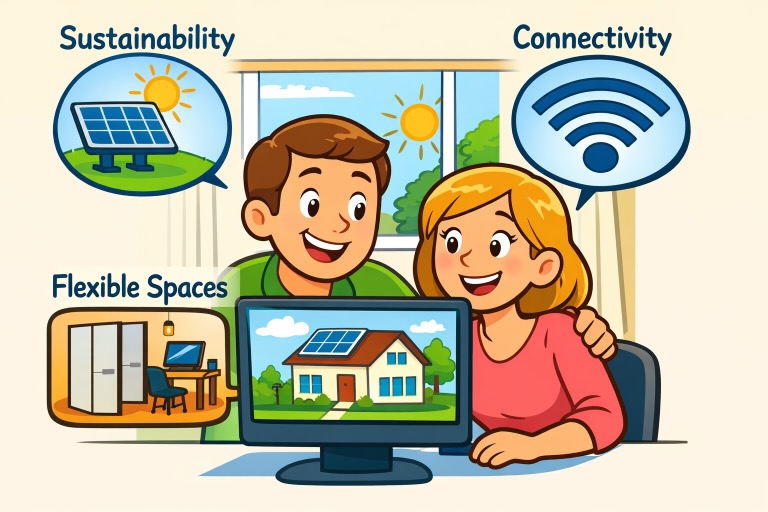
- Today’s homebuyers prioritize technology, sustainability, and flexible living spaces.
- Digital tools and virtual tours have become essential in the home-buying process.
- Eco-friendly features and energy efficiency are top considerations for modern buyers.
- Adaptable home designs that accommodate remote work and lifestyle changes are in high demand.
The Digital Transformation of Home Buying
The advent of technology has revolutionized the real estate market. Modern buyers extensively utilize online platforms to research properties, often completing virtual tours before scheduling in-person visits. This shift has made high-quality digital listings and interactive experiences crucial for sellers aiming to attract tech-savvy purchasers.
In Los Angeles CA real estate agents Heyler Realty have embraced this digital transformation. Established in 1927, Heyler Realty has built a reputation for honesty, integrity, and deep community ties. Their expertise spans various neighborhoods, including Brentwood, Santa Monica, Beverlywood, Beverly Hills, Culver City, Mar Vista, and Rancho Park. By integrating advanced digital marketing strategies and offering comprehensive online resources, Heyler Realty effectively meets the evolving needs of today’s homebuyers.
Online tools don’t just help buyers find houses; they empower them with knowledge. Detailed virtual walk-throughs, high-resolution photography, and even drone footage now play a vital role in property selection. Many platforms incorporate advanced filters, 3D maps, and AI-driven recommendations to help buyers pinpoint properties that meet their unique needs and preferences. These tools bring transparency and efficiency to the home search, reducing uncertainty and saving valuable time for both buyers and sellers.
Additionally, digital communication tools have made it easier for buyers and real estate professionals to connect instantly. Messaging apps, video calls, and e-signatures streamline the negotiation and documentation process, further reducing barriers and accelerating decision-making. The convenience of handling financial documentation and closing disclosures online allows modern buyers to coordinate complex transactions from anywhere in the world.
Emphasis on Sustainability and Energy Efficiency
Environmental consciousness is at the forefront of many buyers’ minds. Features such as solar panels, energy-efficient appliances, and sustainable building materials are not just desirable but expected. Homes boasting green certifications often command higher prices and sell faster, reflecting a growing demand for eco-friendly living spaces.
Buyers today not only want cost savings through lower utility bills, but also seek to minimize their carbon footprint and live in harmony with the environment. There is growing interest in smart home systems that monitor energy use and automate lighting, heating, and cooling, thereby promoting greater efficiency. Rainwater collection systems, low-flow plumbing fixtures, and native landscaping are just some of the features rapidly gaining popularity.
Government incentives and rebates for green renovations have made these eco-friendly choices more accessible. Home energy ratings and green certifications are increasingly highlighted in listings, and some buyers consider these factors as essential criteria in their home search. Developers and builders are responding with innovative approaches, such as homes constructed from recycled materials or passive solar designs that reduce energy consumption year-round.
Demand for Flexible and Multi-Functional Spaces
The rise of remote work has led buyers to seek homes with adaptable spaces. Rooms that can serve multiple purposes, such as home offices, gyms, or guest rooms, are highly valued. Open floor plans that allow for easy reconfiguration to meet changing needs are particularly appealing.
Many households now require spaces for both adults and children to learn and work from home. Common areas are being reimagined to foster collaboration while personal offices offer privacy and productivity. Soundproof rooms, built-in technology hubs, and easily convertible guest spaces reflect a major shift in design priorities.
Buyers are also seeking creative uses of outdoor areas, such as porches, patios, and backyards, that are adapted for entertainment, gardening, exercise, and relaxation. Flexible storage solutions and modular furniture enable homeowners to change a room’s function quickly, supporting evolving family needs and lifestyles.
Shifting Preferences in Home Design
Modern buyers favor designs that blend indoor and outdoor living, incorporating large windows, natural light, and seamless transitions to outdoor spaces. Earth-toned hues and natural materials are trending, reflecting a desire for homes that harmonize with their surroundings.
This architectural preference extends across single-family homes, condominiums, and townhouses. Developers now prioritize biophilic design elements that encourage wellness and connectivity with nature. Skylights, sunrooms, retractable glass doors, and expansive decks exemplify this trend. Inside, buyers expect open kitchens, high ceilings, and communal spaces that are perfect for hosting, while still providing personal sanctuaries.
Financial Considerations and Market Dynamics
Affordability remains a significant concern. Buyers are exploring creative financing options and are more willing to negotiate on price and terms. The market has shifted, with buyers gaining greater negotiating power amid increased inventory and changing economic conditions.
Many buyers are willing to seek properties in emerging neighborhoods or up-and-coming cities to stretch their budgets. Adjustable-rate mortgages, rent-to-own arrangements, and government-backed loans are helping a wider range of buyers enter the market. There’s also a rising trend of multigenerational households pooling resources to secure better properties.
The pace and nature of sales are evolving. Some buyers are making offers contingent on the sale of their own homes or negotiating repairs and upgrades as part of purchase agreements. With more homes to choose from, buyers take extra time comparison shopping, using analytics tools that forecast neighborhood trends and potential investment returns. This new level of sophistication means sellers and agents must be creative, flexible, and informative.
The Role of Real Estate Professionals
In this evolving landscape, real estate agents must adapt by embracing digital marketing strategies and understanding buyers’ new priorities. Providing comprehensive online resources, virtual tours, and personalized service are key to meeting the expectations of today’s market.
Today, successful agents offer data-driven guidance on home values, market dynamics, and future growth potential. They help clients navigate home inspection, appraisal, and financing challenges using their up-to-date knowledge and expansive local network. Agents who focus on continuous education and who partner with eco-friendly contractors or staging experts stand out among competitors.
Furthermore, real estate professionals are increasingly seen as trusted advisors who provide ongoing value beyond the transaction. They assist with local service recommendations, updates on community developments, and long-term property management support. Their expanded role fosters loyalty, generates referrals, and drives repeat business in a competitive marketplace.
Looking to the Future
As millennials and Gen Z become a larger segment of buyers, their values, technology integration, ethical living, and flexibility will continue to drive further changes in design, marketing, and transaction processes. Innovations such as virtual reality home showings, blockchain-based transactions, and the use of big data to personalize home searches will likely gain traction.
Conclusion
The real estate market is undergoing a significant transformation driven by the preferences and behaviors of modern homebuyers. Embracing technology, sustainability, and flexibility are essential for sellers and agents aiming to meet the demands of this new era.