Amazon reportedly canceled four NVIDIA DGX Spark orders and closed the buyer’s account, and Tim Sweeney says his orders were canceled after he tried to buy GPUs. Here’s what we know and what to do if Amazon cancels your order or locks your account.


 Kara
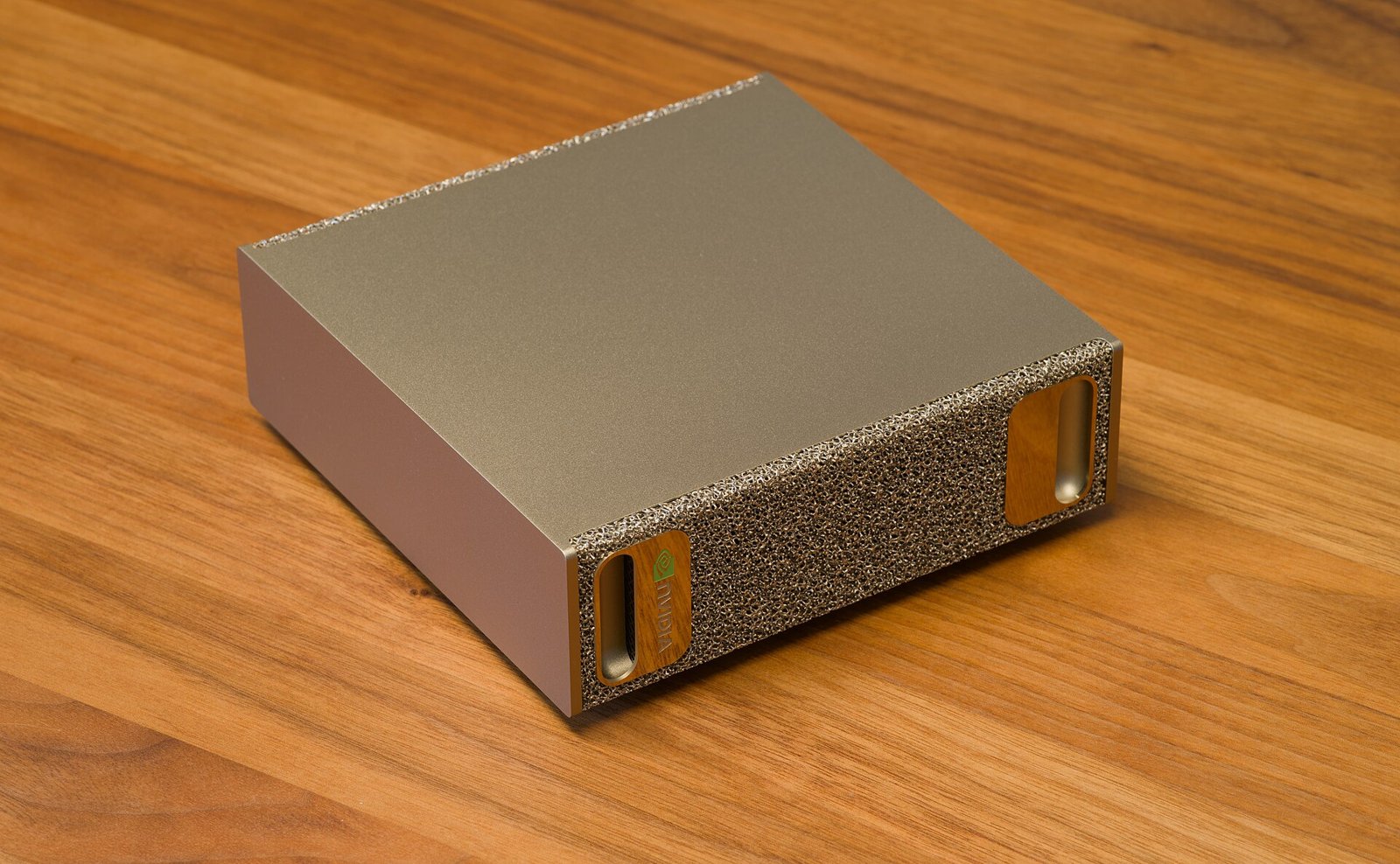
Amazon has reportedly been canceling orders for NVIDIA AI hardware and graphics cards, and in at least one case it closed the buyer’s account entirely. The short version: an AI educator says four NVIDIA DGX Spark orders he placed on October 31 were all canceled before Amazon shut his account after a “verification” review, and Epic Games CEO Tim Sweeney says his everyday orders started getting canceled right before delivery after he tried to buy two NVIDIA GPUs. Amazon hasn’t publicly explained either case. Here’s what we know, the most likely reasons, and what to do if it happens to you.
On November 1, X user @nicksaraev (Nick Saraev, who teaches AI and buys hardware for his own projects) posted: “Update: Amazon just closed my account. Buying even modest amounts of compute immediately puts you on a watchlist. Be careful!” The post passed two million views.
According to Wccftech, which broke the story on November 2, Saraev placed four separate orders for the DGX Spark on October 31, and all four were canceled. He said Amazon kept giving him a vague verification explanation, then sent an email saying that after careful review it had decided to close his account. A screenshot he shared, described by Tom’s Hardware France, shows the four canceled orders back to back.
It’s worth being precise here: as TweakTown notes, Amazon has not responded publicly, and the account closure is the buyer’s account of events rather than something independently confirmed.
Replying to Saraev, Tim Sweeney wrote on X: “Amazon didn’t cancel my account but continued accepting all my regular orders and cancelling them just prior to arrival dates, after I tried to buy two NVIDIA GPUs. Rather bizarre.”
That detail is what made the story spread. Losing a single hard-to-get GPU order is one thing. Having unrelated everyday orders quietly canceled, or losing the whole account, is something any Amazon shopper would worry about.
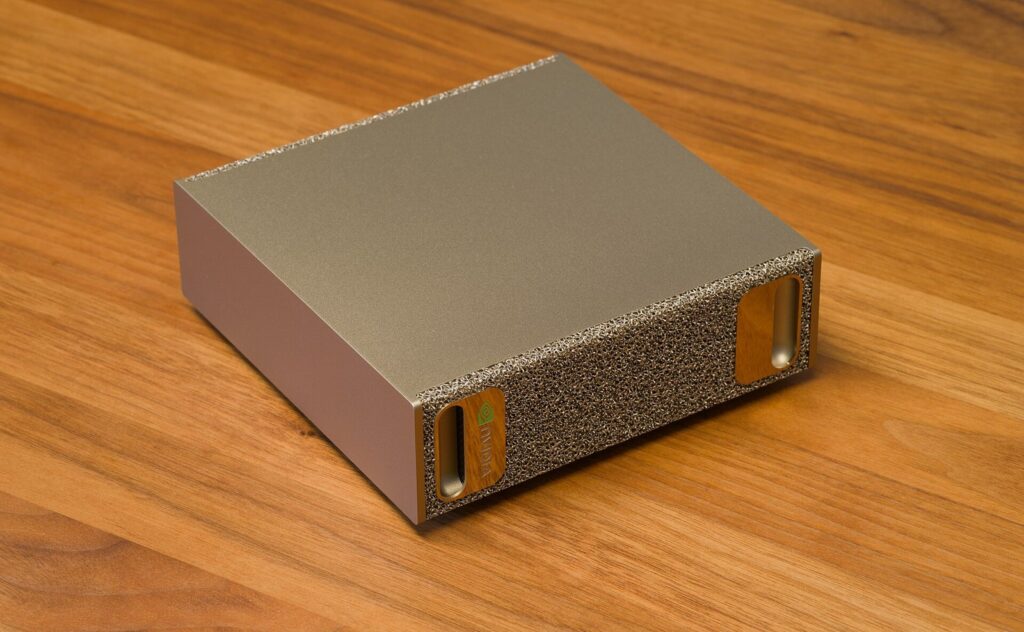
The DGX Spark is NVIDIA’s compact desktop computer for running and fine-tuning AI models locally. The listing in Saraev’s screenshot shows a 20-core Arm processor, 128GB of unified LPDDR5X memory, a 4TB NVMe SSD and NVIDIA’s Blackwell architecture. TweakTown puts NVIDIA’s current price for the 128GB model at $6,950, which means four units would cost more than $27,000, a very large order for one individual.
The wider GPU market is also extremely tight. In an October 28 spot check, Wccftech found the GeForce RTX 5080, which launched with a $999 MSRP, selling for roughly $1,800 to over $2,300 at major U.S. retailers, with Newegg’s own stock sold out. It linked the squeeze to a memory shortage driven largely by AI data center demand. If you’ve been following chip news, this is the same pressure we covered in our look at why Intel’s stock crashed and what it means for PC prices.
Nobody outside Amazon knows for sure, and Amazon hasn’t said. Here are the explanations being discussed, none of which is confirmed:
Here are the steps Amazon itself lists, plus some common-sense precautions.
Cancellation and account emails usually say what Amazon wants from you. Don’t click links in a message you aren’t sure about. Instead, go to Amazon directly in your browser or app and check Your Orders and your account messages. Fake “your account is on hold” emails are a classic phishing trick, which we covered in our guide to spotting scams after a major hack.
Amazon’s “Regain Access to an Account on Hold” page says to look for the “Account on hold” email or text, sign in, and complete the form with the attachments requested. It says submitting the details yourself is the fastest route, and that customer service will point you to the same steps. While the hold lasts, Prime, Amazon Music, Kindle, Alexa and Ring access can be paused as well.
Amazon’s security help page says you can sign in, reset your password if prompted and verify a recent order. If the action was a mistake, it says it will review the account and restore access within 24 hours.
Closure emails generally explain how to appeal. Answer it calmly, keep it factual (what you ordered, why, and that the orders were for your own use), and keep copies of your receipts and messages. Avoid opening a second account to get around a closure while an appeal is pending, since that can make the situation harder to sort out. Amazon’s Conditions of Use set out the rules it applies.
If you depend on Kindle books, Prime Video or smart home devices tied to the account, find out what’s affected. Check that canceled orders were refunded to your card, and contact your bank if a charge doesn’t come back.
Planning a bigger tech upgrade this season? See our breakdown of the touchscreen MacBook Pro’s price, specs and whether it’s worth it.
There’s no evidence of a blanket ban. There are two high-profile reports: one buyer says his account was closed after four DGX Spark orders, and Tim Sweeney says his orders were canceled after he tried to buy two GPUs. Amazon hasn’t confirmed a policy or explained either case.
Not publicly, as of November 3, 2026, according to TweakTown and Startup Fortune.
Sometimes. Holds and security locks can be lifted after verification, and Amazon says security actions applied by mistake are reviewed and access restored within 24 hours. A closure is more serious, and the appeal route is the one described in the closure email.
TweakTown lists NVIDIA’s current price for the 128GB model at $6,950. Retail and marketplace prices can be higher.
Featured image: NVIDIA DGX Spark, oblique view, by Daniel Lu (Wikimedia Commons), licensed under CC BY-SA 4.0, resized.