

Key Takeaways
- Invisalign treatment involves more than just clear aligners; it also impacts daily routines and habits.
- Adapting to Invisalign requires commitment to hygiene, care, and lifestyle adjustments.
- Understanding the hidden challenges and benefits can lead to a smoother experience and better results.
Introduction
Many people pursue Invisalign for a straighter smile, expecting a simple and almost invisible orthodontic journey. While clear aligners are a popular alternative to traditional braces, there are some crucial, less-discussed aspects of daily life with Invisalign that can surprise new patients. As you consider or begin your treatment, understanding the full picture can help set realistic expectations and ultimately lead to better results. The benefits can be tremendous, but daily routines, from oral hygiene to meal timing, often require thoughtful adjustments. For those exploring Invisalign or seeking a provider, practices like dentistsofhinsdalelake offer expertise and ongoing support throughout the process.
The promise of virtually invisible aligners and fewer office visits compared to braces makes Invisalign appealing to busy adults and teens alike. However, behind the discreet appearance, success with Invisalign depends on how well you adapt your habits and routines. Knowing what life with Invisalign really looks like can help you weigh your decision and ensure you stay on track throughout your treatment.
Initial Adjustment Period
Starting Invisalign isn’t always as smooth as the marketing suggests. In the first few days, patients often experience mild soreness or pressure as their teeth begin to shift. This is generally manageable, but it can catch people off guard if they expect a completely pain-free process. Speaking might feel slightly awkward until you adjust, especially with attachments or “buttons” placed on teeth to guide movement. Additionally, you may notice increased saliva production or a mild lisp that typically fades with time.
Oral Hygiene: Commitment Required
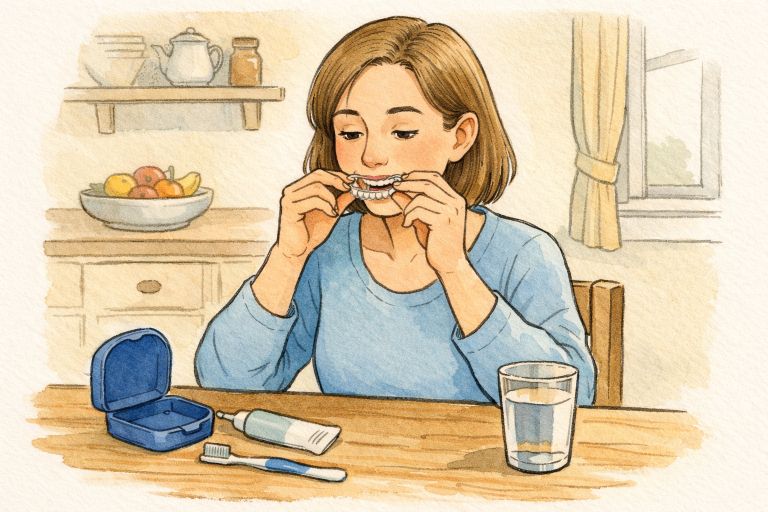
Daily life with Invisalign demands a new level of oral hygiene vigilance. Aligners must be removed before eating or drinking anything other than water, so clean your teeth before popping them back in. Skipping this step can trap food particles and bacteria beneath the aligners, leading to bad breath, cavities, and staining. Most patients find themselves brushing and flossing after every meal and snack, carrying a dental kit wherever they go. For step-by-step care, reputable sources like Healthline offer practical recommendations.
Eating and Drinking: Lifestyle Adjustments
While Invisalign offers dietary freedom compared to traditional braces, the need to remove aligners for any food or drink (except plain water) can quickly disrupt habitual sipping or snacking. Coffee, tea, wine, and other colored or sugary beverages are off-limits when your aligners are in place. This not only helps prevent staining but also protects against tooth decay. Planning meals and beverages becomes crucial, and many people find themselves eating and drinking less frequently.
The Unseen Challenges
Tracking and Storing Aligners
Keeping track of where you store your aligners while eating or drinking is another hidden challenge. Lost trays can mean costly replacements and treatment delays. Cases are essential for protection, yet they are easy to misplace, especially in busy environments like schools or workplaces.
Discipline With Wear Time
The success of Invisalign treatment depends heavily on wearing the aligners for 20 to 22 hours per day. Consistency is vital. Forgetting to put them back in after meals or underestimating the time without them can extend treatment or reduce effectiveness. Setting reminders or using an app for tracking can significantly help maintain compliance and progress.
Social and Professional Considerations
Most people find Invisalign less noticeable in social or professional settings, but there are moments of self-consciousness. Removing aligners before meals at a restaurant or social gathering can feel awkward at first. Sometimes, attachments on the teeth (small tooth-colored dots needed for certain movements) are more visible than expected, especially with frequent close interactions.
It is also worth noting that you must excuse yourself to a bathroom to clean your teeth and aligners after eating. Building these moments into your schedule, especially on busy days, requires forethought and planning to avoid skipping oral hygiene.
The Reward: Subtle, Effective, Gradual Change
Despite these daily life adjustments, Invisalign remains a flexible and effective orthodontic solution for many people. The ability to remove trays for special events or photos is a significant plus. Results are typically noticed within a few months, boosting both confidence and motivation to stick to the regimen.
Support and follow-up with your dental team are key to making the process manageable. Communication about any issues or concerns as they arise can make your Invisalign journey smoother and more successful. For more insights on maximizing the benefits of orthodontic care in daily routines, organizations such as the American Dental Association offer trusted advice.
Conclusion
Invisalign treatment, while convenient and less conspicuous than braces, imposes unique demands and requires adjustments to daily life. With preparation and dedication, patients can enjoy the positive outcomes and gradual transformation of their smile. Knowing what to expect and being ready to adapt means you can fully embrace the Invisalign journey and enjoy long-lasting oral health and confidence.